Pointing Hand with Playful Mono X Review
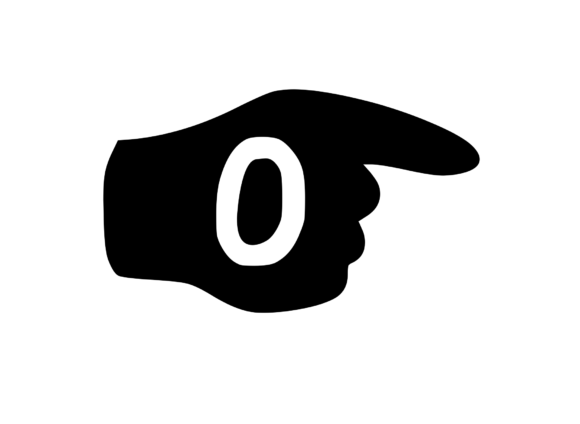
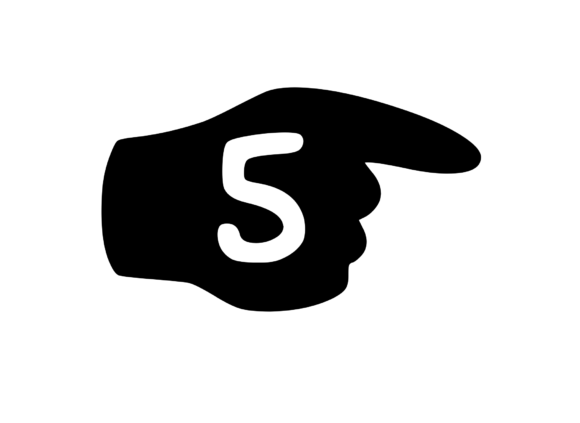
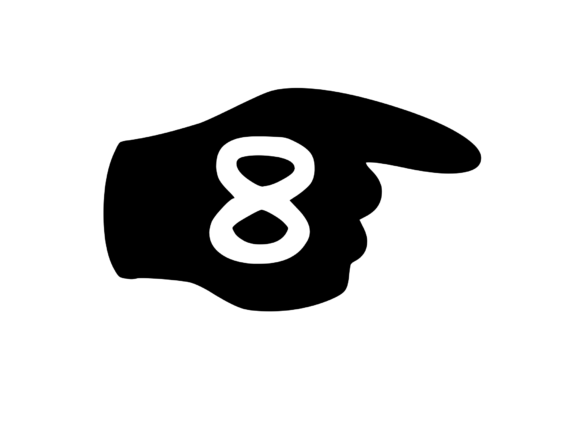
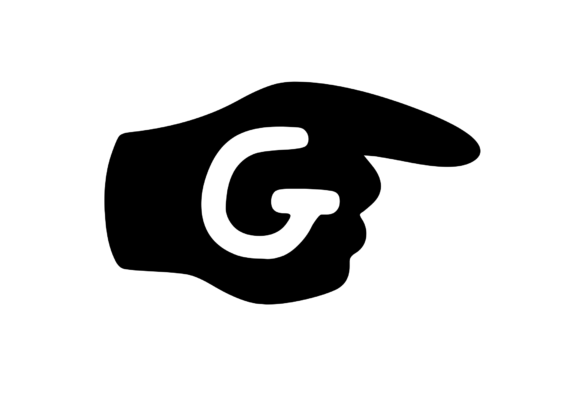
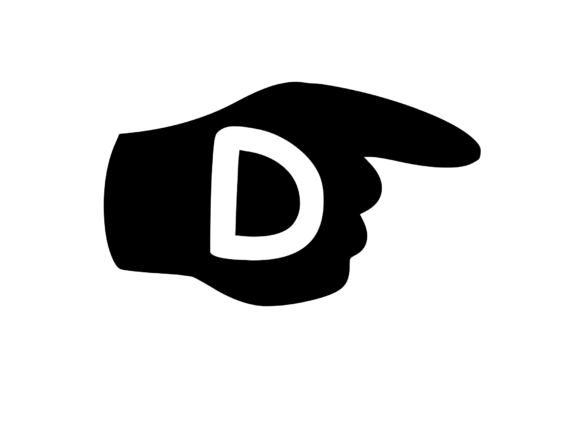
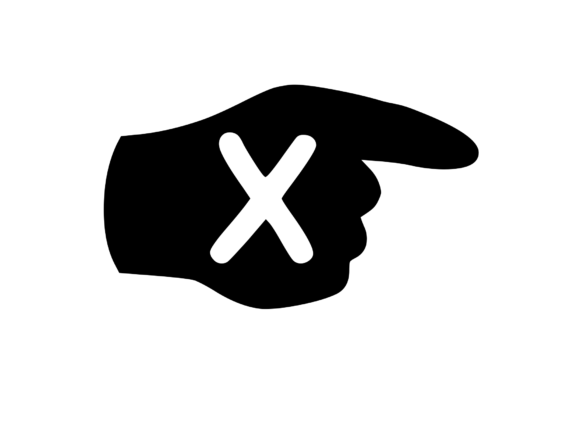
When you spend as much time as I do previewing embroidery files, you develop a quick sense for which designs will stitch out beautifully and which ones will cause headaches. Pointing Hand with Playful Mono X caught my attention immediately because it balances a classic directional motif with a lighthearted, hand-drawn feel. This is not a stiff, corporate-style pointer. It has personality, movement, and a slightly mischievous energy that makes me think of a friend saying, "Hey, look over there." That kind of warmth is hard to find in a simple graphic, and it opens up a lot of creative possibilities for anyone running a craft business or making custom apparel.
A Design with Real Character
On first glance, the hand shape reads clearly. The fingers curl naturally, the thumb rests in a relaxed position, and the index finger extends with purpose. The "Playful Mono" treatment—a single-weight line with subtle variations in thickness—gives it an inked, sketch-like quality. It does not try to be photorealistic, and that is exactly what makes it work for embroidery. The lines are bold enough to hold their own in a satin stitch, yet open enough that the design does not feel heavy. It brings to mind vintage signage, children's book illustrations, or a quirky logo for a local shop. I immediately pictured it on a canvas tote bag or a well-worn denim jacket.
This design also avoids the pitfall of looking too generic. Many pointing hand graphics are either too literal or too sterile. This one has a slight bounce to the stroke, a touch of asymmetry that makes it feel hand-drawn. That is a huge advantage for makers who want their finished products to feel unique and personal. Whether you are stitching it for a holiday gift or selling it as a digital embroidery file, the visual personality sets it apart from stock clip art.
How It Performs on Real Projects
I tested Pointing Hand with Playful Mono X on a mid-weight cotton sweatshirt first, using a medium hoop size and a tear-away stabilizer. The stitch out was clean and stable. The satin stitches tracked smoothly along the curved finger lines, and the fill stitches in the palm area sat flat without puckering. The design held its shape well through the first wash, which is always a relief. For a graphic of this type, stitch density is the make-or-break factor. Too dense and the fabric pulls. Too loose and the lines look fuzzy. This file struck a good balance, at least in my test.
I also ran a second test on a linen tote bag with a medium-weight fusible stabilizer. Linen can be tricky because the weave shifts, but the design stayed crisp. The pointed finger remained distinct, and the playful curves in the wrist area did not distort. I used a medium gray thread on natural linen, and the contrast was excellent. If you are an Etsy seller or small shop owner making custom totes, this design would work well for both single-color and two-color treatments. A bright accent on the fingernail or a contrasting outline could add polish without overcomplicating the stitch.
Where This Design Shines
Pointing Hand with Playful Mono X is naturally suited for apparel and accessories where you want to direct attention or add a conversational element. Think a coffee shop apron with the hand pointing to a pocket logo, a kids' shirt with the hand pointing to a name, or a boutique sweatshirt with the hand pointing to a fun slogan. The directional nature of the design makes it interactive in a subtle way. Customers notice it, smile, and follow the line. That is a powerful tool for branding.
Here are some product categories where I believe this design performs especially well:
- Custom apparel: Sweatshirts, t-shirts, and hoodies benefit from the hand's clean silhouette. It works in both front chest and back shoulder placements.
- Tote bags and canvas goods: The sturdy fabric holds the stitch detail well, and the playful mood fits casual, everyday carry items.
- Embroidered patches: Because the design is not overly dense, it makes a great patch motif. You can stitch it onto felt or twill and sell it as an iron-on.
- Baby and kids' items: The friendly, non-threatening shape works for bibs, onesies, and nursery decor. Just keep the size appropriate for small garments.
- Holiday and gift products: Paired with a festive thread color, the hand can point to a gift tag, a date, or a personalized message. It adds a handmade touch that feels intentional.
- Small shop merchandise: Use it on pillow covers, tea towels, or aprons for a cohesive brand look. The design reads as confident and approachable.
Where to Use Caution
No design works everywhere, and Pointing Hand with Playful Mono X has a few limitations worth noting. The finger tips and the narrow curves in the palm area require careful hooping and stabilizer selection. If you are working with very stretchy fabrics like performance knits or thin jersey, the lines may distort during stitching. I recommend a cut-away stabilizer for those materials to keep the shape true.
Small hoop sizes also present a challenge. If you try to shrink the design down to fit a cap front or a baby shirt pocket, the fine details may lose definition. The finger tip, in particular, could become a blob if the design is scaled too small. My advice is to test the design at your intended size on scrap fabric before committing to a production run. Similarly, dark fabrics require thread colors that pop. A white or metallic thread works well against black or navy, but a pastel shade may not provide enough contrast for the hand to read clearly.
For curved surfaces like caps or cylindrical items, the design's orientation matters. Pointing horizontally or diagonally tends to work better than pointing straight up or down, because the cap's curve can distort a vertical line. I would also avoid placing the hand near seams or zippers where the fabric thickness changes abruptly.
Visual Appeal and Customer Value
From a buyer's perspective, a design like this signals quality and thoughtfulness. Customers who purchase handmade products are often looking for something that feels curated, not mass-produced. Pointing Hand with Playful Mono X delivers that impression because it looks like an artist drew it, not a machine. The hand-drawn quality translates into perceived value. A sweatshirt with this embroidery feels more like a limited-edition piece than a generic transfer.
For Etsy sellers and craft fair vendors, that distinction matters. Shoppers are willing to pay more for a product that shows personality. The playful mono line style also photographs well for listings. You can create clean, attractive mockups that highlight the design without needing complicated setups. A simple close-up shot of the stitched hand on a neutral background is enough to communicate the quality.
The design also works as a digital product in your shop. If you sell embroidery files or printable mockups, this graphic fits nicely into a "whimsical directional" collection. Buyers looking for something to personalize gifts or start a small apparel line will gravitate toward it because it is versatile without being boring.
Practical Notes from the Hoop
After several test stitches, here are my practical recommendations for getting the best results with Pointing Hand with Playful Mono X:
- Test on scrap fabric first. This is non-negotiable. Run a sample at your intended size and check for stitch gaps, puckering, or thread breaks.
- Review thread color contrast. The hand shape relies on clear outlines. A light thread on a light fabric will wash out. Use a dark or bright thread for visibility.
- Check stitch density before hooping. If the file feels too dense for your fabric, adjust underlay or reduce the stitch count slightly in your software.
- Confirm hoop size. Make sure the design fits comfortably within your hoop with at least an inch of margin on all sides for stabilizer and fabric movement.
- Inspect small details. The finger tips and the curve of the thumb are the most critical areas. If they look compromised at your chosen scale, size up or simplify.
- Test in black and white mockups. This helps you see the design's silhouette and spot any awkward negative spaces before you commit to thread.
- Compare light and dark fabric backgrounds. The design reads differently on each. A dark background often makes the hand feel bolder and more graphic.
- Use proper stabilizer. For woven fabrics, a medium-weight tear-away works. For knits and stretchy materials, a cut-away stabilizer is safer.
- Confirm licensing before selling. If you plan to sell finished items or digital products featuring this design, check the license terms provided with the file. Some graphics allow commercial use; others require an extended license.
Final Thoughts for Makers and Sellers
Pointing Hand with Playful Mono X is a solid addition to any embroidery designer's library or small shop product lineup. It brings a friendly, handcrafted energy that works across apparel, accessories, and home goods. The line art style translates well into embroidery when handled with attention to stabilizer and scale, and the design's personality gives your finished products a distinct edge over generic alternatives.
If you are an Etsy seller, a custom apparel decorator, or a hobbyist looking to elevate your projects, this design is worth trying. It is not overly complex, but it has enough character to make people stop and look—and that is exactly what you want in a competitive market. Just remember to test first, choose your colors wisely, and let the playful spirit of the design guide your product choices.