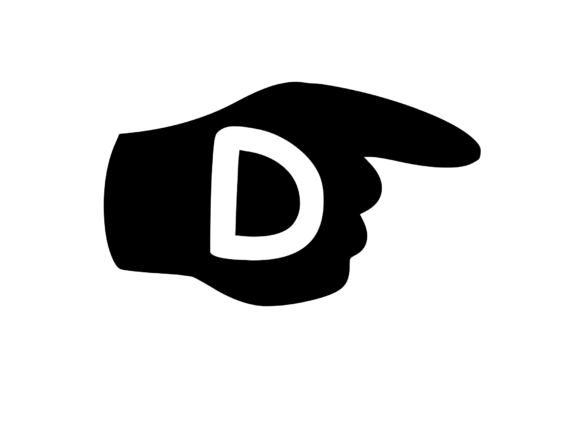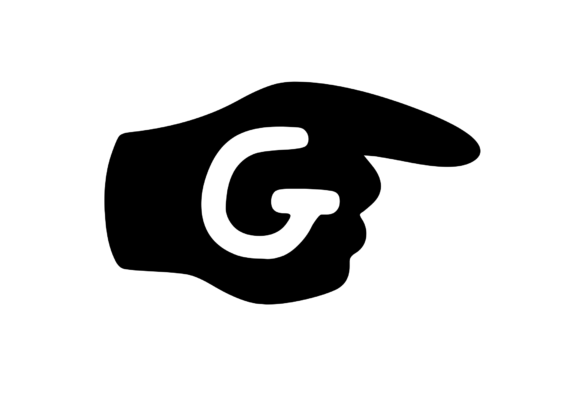
Pointing Hand with Playful Mono G Design Review
When I first opened the Pointing Hand with Playful Mono G embroidery file, I was struck by its confident simplicity. The gestural hand combined with a stylized letter G creates a graphic statement that feels both playful and intentional. As someone who has stitched hundreds of machine embroidery designs for client work and shop inventory, I have learned to read a design quickly for potential stitching issues, layout strength, and customer appeal. This one caught my attention for the right reasons. It does not try to do too much, and that restraint is exactly what makes it versatile for real project use.
First Impressions and Visual Personality
The Pointing Hand with Playful Mono G carries a light, modern mood that suits a range of creative audiences. The hand gesture is clear without being aggressive, and the monogram G sits comfortably within the composition. This is not a dense, high-detail illustration meant for large wall hangings. It reads more like a smart accent piece for custom apparel, handmade products, or personalized gifts. The layout feels balanced, and the overall shape leaves room for the fabric or product surface to breathe. In terms of visual personality, I would describe it as friendly, contemporary, and approachable. It would appeal to buyers looking for something stylish but not overly trendy, which is a sweet spot for Etsy sellers and small shop product creators.
Natural Fit for Real Projects
The more I looked at this embroidery design, the more I imagined it on a classic crewneck sweatshirt in a soft heather gray. The hand pointing toward the monogram G creates a subtle focal point that draws the eye without demanding attention. For sweatshirt embroidery, this design would sit well on the left chest area or centered on the back yoke. I also see strong potential for tote bag design. A sturdy canvas tote with the design placed near the top edge would make a smart everyday carry item for boutique shoppers. The clean lines of the artwork mean it would stitch cleanly on medium-weight fabrics without excessive puckering. For baby embroidery, I would scale it modestly and use soft thread colors like blush, mint, or warm charcoal. The playful tone suits a nursery item like a small pillow cover or receiving blanket. On a practical level, I would also test this on embroidered patch blanks. The shape would trim nicely as a standalone patch for jackets or backpacks, and the letter G gives it a personal touch that buyers love for monogrammed accessories.
Stitching Performance and Fabric Considerations
In my experience, designs with moderate stitch density and clear satin stitch elements perform well across a range of materials. The Pointing Hand with Playful Mono G appears to use a combination of fill stitch areas and outline work, which gives it texture without overloading the fabric. I would recommend testing on scrap fabric before committing to a final product, especially if you are working with stretchy knits or lightweight woven materials. For caps and hats, I would be cautious. Curved surfaces can distort the alignment between the hand and the G, so a firm stabilizer and careful hooping are essential. Similarly, on dark fabric, you will want to verify that the design reads clearly. A light thread color with good contrast will preserve the pointing gesture and the letter shape. If you are producing commercial embroidery orders, I suggest checking the design on both light and mid-tone backgrounds to ensure your customers receive a crisp result every time. The artwork does not appear overly dense, which is good for reducing thread breaks and keeping production efficient.
When and Where to Use This Design Carefully
Not every design fits every product, and honest evaluation saves time and materials. The Pointing Hand with Playful Mono G is not ideal for very small hoop sizes. If you try to shrink it below a certain scale, the hand gesture may lose its readability and the G could become muddy. I would recommend a minimum size of around three inches in height for most garment applications. On thin fabric like lightweight t-shirts or delicate blouses, use a tear-away or cut-away stabilizer appropriate for the fabric weight to prevent show-through. Stretchy fabric requires extra care because the design has distinct shapes that need to remain aligned. A sticky stabilizer or a layer of water-soluble topping can help keep stitches crisp. For layered garments like hoodies or lined jackets, test the design on the finished thickness to avoid skipped stitches or tension issues. If you plan to offer this as a digital embroidery file to your customers, I advise adding a note about recommended fabric types and hoop sizes. This builds customer trust and reduces the chance of dissatisfaction with the finished product.
Visual Appeal, Product Value, and Buyer Engagement
A well-chosen embroidery file can elevate a simple product into something people feel proud to give or keep. The Pointing Hand with Playful Mono G has that potential. Its graphic style feels intentional, and the monogram aspect adds a layer of personalization that resonates with buyers searching for personalized gifts or boutique merchandise. When I think about holiday embroidery or wedding gifts, this design could work well for couples with a G last name or as a playful touch on bridesmaid gifts. For small business merchandise, the design supports brand consistency if your shop name or product line includes a G. It is also mockup-friendly. You can create printable mockups for Etsy listings or craft fair products that show the design on a neutral background, and the simple shape photographs well. From a buyer engagement perspective, customers are drawn to designs that feel both personal and professional. This design delivers that balance without needing excessive explanation. It looks good, it stitches cleanly, and it gives the product a thoughtful finish.
Practical Designer Notes Before You Stitch
Before you load the embroidery file and start production, there are a few steps I always take with a new design. Test the Pointing Hand with Playful Mono G on scrap fabric first using the thread colors you plan to use for your final product. Check the thread color contrast against both light and dark backgrounds. If the G disappears into the fabric tone, adjust your palette. Review the stitch density in your software. If it feels too tight for your fabric choice, consider reducing density slightly or using a finer needle. Confirm your hoop size is appropriate for the scaled design. Do not crowd the edges of the hoop, as this can cause registration issues. Inspect small details like the tip of the pointing finger and the curves of the G. These areas need clean satin stitch execution to look professional. I also run a black and white mockup of the design to check that the shapes read clearly without color distraction. Compare results on light and dark fabric backgrounds to ensure the design works for both. Use proper stabilizer for your fabric type, and consider testing on a curved surface if you plan to stitch it on caps or rounded bags.
Finally, confirm the licensing terms for the Pointing Hand with Playful Mono G before selling finished items or using it for commercial embroidery projects. The product description indicates it is a great choice for artists, designers, and crafters, and that it can be used to decorate or craft with. But you should verify whether the license covers physical products for resale, digital product sales, or both. This protects your craft business and ensures you stay compliant while building your design assets library.
Final Thoughts for Makers and Shop Owners
For embroidery designers, small business owners, and creative entrepreneurs, the Pointing Hand with Playful Mono G offers a solid balance of style and practicality. It is not a design that fights for attention. Instead, it works with the product, adding a layer of personality that feels curated. Whether you are stitching a single personalized gift for a client, producing a small batch of handmade products for a boutique order, or testing a new applique design for your Etsy seller shop, this file gives you room to experiment while maintaining a professional finish. I appreciate designs that respect the craftsman, and this is one of them. It asks for care in hooping and testing, but rewards that care with a clean, appealing result that customers will notice. If you are looking for a new addition to your machine embroidery design collection that works across custom apparel, embroidered patch projects, and thoughtful holiday embroidery orders, this is worth a close look.