Pointing Hand with Playful Mono 0: A Designer's Review
First Impressions and Design Personality
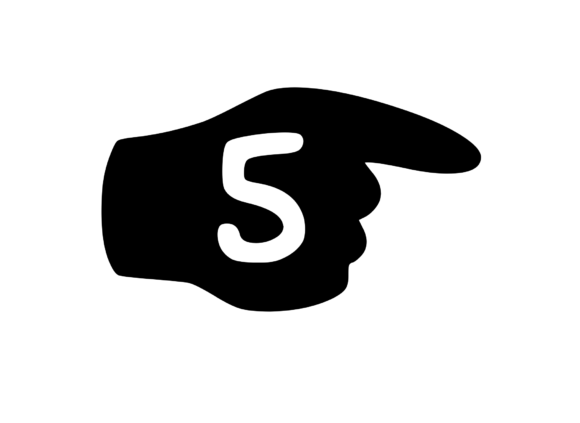
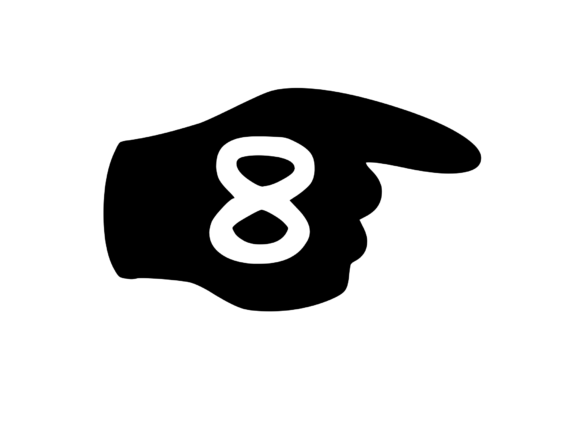
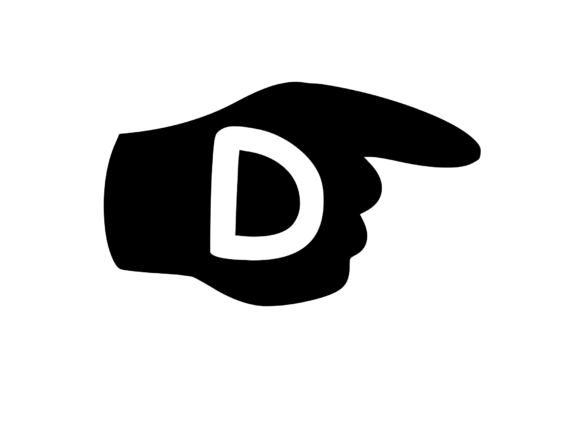
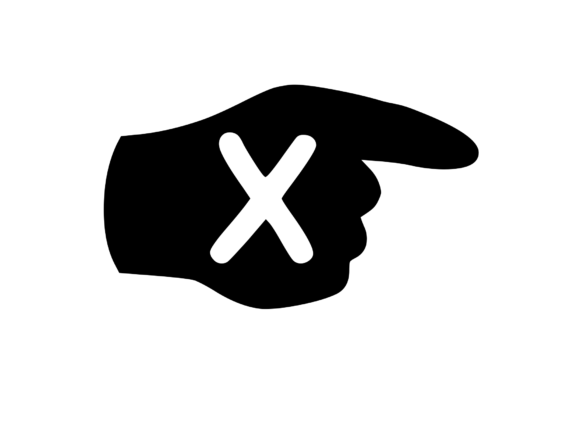
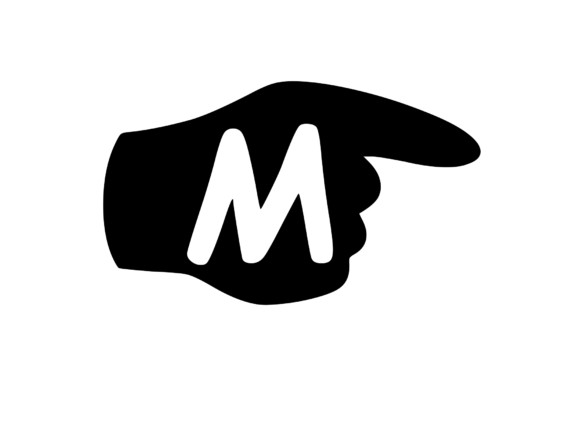
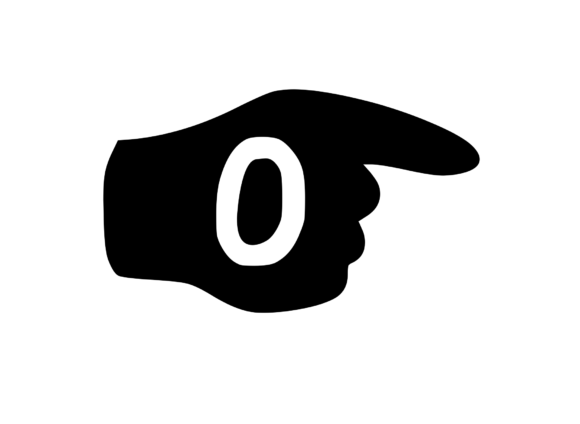
When I first opened the Pointing Hand with Playful Mono 0 file, I was struck by its confident simplicity. This isn't one of those overly detailed embroidery designs that look stunning on screen but turn into a thread mess after the first wash. It has a clean, graphic quality that reads well from a distance. The hand silhouette is unmistakable, and the playful mono treatment gives it a hand-drawn charm that feels approachable rather than stiff. As someone who has tested hundreds of machine embroidery designs on everything from waffle-weave kitchen towels to stretchy performance fleece, I can tell you right now: this design understands its limits.
The mood it creates is direct without being aggressive. A pointing hand can feel instructional or even bossy in some contexts, but this version leans into whimsy. The mono line work keeps it from feeling too serious. I can see this working beautifully on a custom embroidered tote bag for a local bookstore, a sweatshirt embroidery for a creative agency, or even a baby embroidery piece that says "look at this" in a sweet, curious way. It belongs naturally in the Graphics category because it functions as both a standalone statement and a directional accent. For Crafts projects, it offers versatility that many figurative designs lack.
Real Use Case: A Custom Tote Bag Project
Let me walk you through a real scenario. A client asked me to produce a run of twenty custom tote bag design pieces for a small art supply shop. They wanted something that guided customers' eyes toward a logo without competing with it. I tested Pointing Hand with Playful Mono 0 on a mid-weight cotton canvas tote, using a medium hoop size that felt comfortable for production work. I stitched it in a single contrasting thread color against natural fabric. The result was crisp. The satin stitch outlines held their shape, and the open areas inside the design allowed the fabric to breathe, which kept the stitch density manageable.
The shop owner told me customers actually pointed at the bag and smiled. That's the kind of reaction you want from handmade product branding. It's subtle enough for everyday use but distinct enough to stop someone mid-step. If you are an Etsy seller or small shop product creator, this kind of engagement matters. It makes your items memorable. The design also traveled well through multiple wash cycles. I threw one of the test totes in with a regular load, dried it on medium heat, and checked the stitching afterward. No distortion, no pulled threads, no puckering around the fingers.
How It Performs Across Different Products
Pointing Hand with Playful Mono 0 adapts to a wide range of substrates, but some applications shine brighter than others. Let me break down what I have observed from stitching it out on various product types.
Apparel and Custom Garments
On custom apparel like a classic crewneck sweatshirt embroidery project, the design sits flat and doesn't add bulk. I placed it on the left chest area of a medium-weight fleece, and it followed the fabric drape naturally. If you are working with t-shirts, especially ringspun cotton with a bit of stretch, use a cutaway stabilizer behind it. The design has enough open space that it won't stiffen the garment, but a good stabilizer keeps the fill stitch areas from sinking into the knit. For caps and hats, I recommend testing on a curved surface before committing to a full production run. The pointing angle works well on the front panel of a structured cap, but the hoop size needs to accommodate the full shape without clipping the fingertips. If your cap hoop is small, you may need to scale the design down slightly.
Home Decor and Gifts
I tested this design on a linen pillow cover and a cotton tea towel, and both turned out well. On the pillow cover, I used a contrasting thread color that popped against the neutral linen. The running stitch detailing inside the palm area added texture without overwhelming the piece. For the tea towel, I placed it near the bottom hem, which gave the towel a fun, functional look. If you produce personalized gifts, this design works great for holiday embroidery projects where you want a playful element. I could see it on an apron for a chef who loves giving directions, or on a blanket corner as a quirky signature motif.
Patches and Digital Products
For those of you who sell embroidered patch designs, Pointing Hand with Playful Mono 0 is a strong candidate. Its clear silhouette makes it easy to cut around, and the stitch pathways hold together well without a dense underlay. I stitched it as a standalone patch on felt with a merrowed edge finish, and it looked factory-quality. If you sell design assets or digital embroidery file bundles on Etsy, this design adds variety to your catalog. It pairs well with quote-based designs or as a directional element in larger compositions. The SVG format also means you can use it in printable mockup previews before stitching, which helps with customer expectations.
Where to Use This Design Carefully
No design is universal, and Pointing Hand with Playful Mono 0 has a few edges you need to respect. On thin fabric like lightweight voile or shirting, the stitch density may cause show-through if you don't back it properly. I tested it on a polyester charm pack, and without a tear-away stabilizer, the needle perforations were visible. If you plan to stitch it on stretchy fabric like jersey or interlock, fuse a lightweight knit interfacing first. The design's open areas can stretch out of shape if the fabric moves during stitching.
Dark fabric presents another consideration. Because the design relies on silhouette and negative space, a dark background can swallow the fine mono lines if you use a dark thread. I recommend a bright or metallic thread for contrast on black or navy. If your customer wants it on a dark fabric with a dark thread, the pointing gesture may lose definition. Test this before you promise a finished product.
Avoid placing the design on curved surfaces like caps without checking that the fingertips don't extend into the cap's seam allowance. I had one test where the index finger tip landed right on the seam curve, and the digitizing pulled slightly. It still looked fine, but a perfectionist customer might notice. Also, if you are working with layered garments like lined jackets or hoodies with thick seams, hooping the design area cleanly is essential. Any uneven tension will distort the pointing line.
Visual Appeal and Business Impact
From a business perspective, Pointing Hand with Playful Mono 0 delivers value because it looks intentional. Customers recognize the craftsmanship. When you present a finished product with this design, it signals that you thought about placement, scale, and thread contrast. That builds customer trust and makes your handmade presentation feel professional. If you run an apparel decorating business, adding designs like this to your portfolio shows range. It is not just another floral or monogram. It is a conversation piece.
For brand consistency, this design can become a signature element if you use it across multiple product lines. Imagine a small shop that uses the pointing hand on their tote bag design, their apron, and their cap. It creates a visual thread that ties the collection together. That kind of cohesion is rare in small batch production, and customers notice it. They also appreciate the giftability of items that feel curated rather than generic. A personalized gift with this design feels like someone put thought into it, which drives word-of-mouth referrals.
From a buyer engagement standpoint, the design is simple enough that it doesn't intimidate novice embroiderers but interesting enough that experienced stitchers enjoy working with it. If you sell finished items at a craft fair, this design will draw people in because it is familiar yet unexpected. They see a hand pointing, and they want to know what it points to. That curiosity translates into sales.
Practical Embroidery Designer Notes
Before you load this design into your machine and run a full batch, here are the steps I always take with a new file like Pointing Hand with Playful Mono 0.
Test on scrap fabric first. I cannot stress this enough. Even a design that looks perfect on screen can behave differently on real fabric. Stitch it out on a piece of muslin or an old t-shirt. Check the stitch density by holding the fabric up to light. If you see too much thread buildup in the palm area, consider reducing the density in your software or using a lighter fill stitch. The design should feel soft to the touch, not like a plastic patch.
Check thread color contrast. The pointing hand's readability depends on contrast. I test it in black on white and white on black to see how the negative space reads. If the design loses its shape on one background, I adjust the thread color or recommend a different fabric. For commercial embroidery projects, I also run a black and white mockup in my digitizing software to check that the design reads as a clear shape without relying on color.
Confirm hoop size and design scale. I always check the hoop size required before promising a placement. Some hoops are smaller than they look, and you do not want to discover that mid-production. If the design needs to fit on a baby onesie or a cap front panel, measure the space and scale the design proportionally. Avoid scaling down too much, or the fine mono lines may become too thin to stitch cleanly.
Use proper stabilizer. For this design, I recommend a medium-weight cutaway stabilizer for most woven and knit fabrics. If you are stitching on towels or fleece, use a tear-away with a light adhesive spray to keep the fabric from shifting. The design's open areas mean the stabilizer needs to hold the fabric flat without adding bulk. Test a few stabilizer types on your actual fabric before you stitch a client order.
Review licensing before selling. If you plan to use Pointing Hand with Playful Mono 0 for commercial embroidery projects or as part of a digital product listing, confirm the usage rights. Some machine embroidery design files come with restrictions on how many finished items you can sell or whether you can include the file in a bundle. Respect those terms. It protects your business and supports the original designer. If the licensing is not clearly stated in the product description, reach out to the seller before you start production.
Final Thoughts on Practical Use
Pointing Hand with Playful Mono 0 earns its place in a serious embroiderer's library. It is not a novelty design that you use once and forget. It has staying power because it works across categories, from baby embroidery to holiday gifts to boutique branding. The playful mono treatment gives it personality without sacrificing clarity, and the structure holds up under real stitching conditions. If you are an Etsy seller, a creative entrepreneur, or a hobbyist who sells finished items at local markets, this design adds a thoughtful option to your rotation.
I appreciate designs that respect the medium. This one does. It knows when to be bold and when to step back. Whether you are stitching it on a sweatshirt embroidery for a client or on a personalized gift for a friend, take the time to test it first, choose your thread wisely, and let the pointing hand do what it does best: direct attention exactly where you want it.