Pointing Hand with Playful Mono 8: A Designer's Review
When I first opened Pointing Hand with Playful Mono 8, I was struck by how much personality fits into such a compact design. This isn't just a pointing hand graphic—it's a playful, slightly cheeky motif that feels both retro and fresh. As someone who evaluates embroidery files for real client work, I pay close attention to how a design will behave after stitching, how customers will react to it, and what kind of finished product it naturally elevates. Let me walk you through what I found.
A First Look at the Mood and Shape
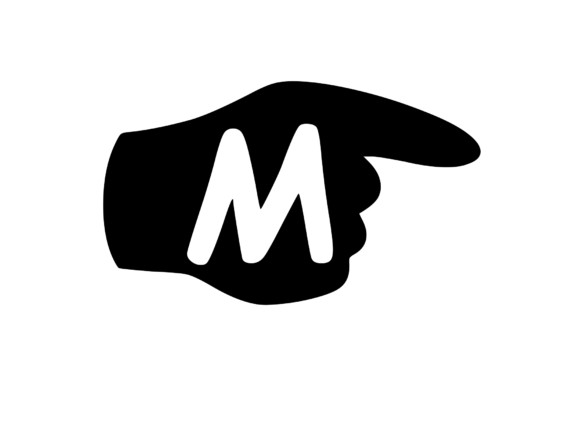
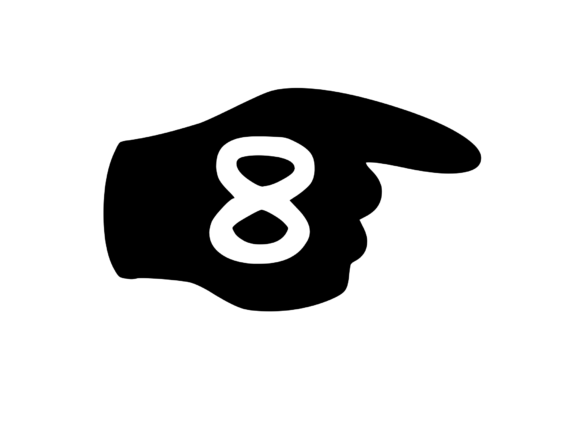
The artwork carries a hand-drawn energy that immediately separates it from stiff, stock clip art. The gesture is clear—a pointing index finger with a relaxed, playful stance around the rest of the hand. The mono line style keeps it clean, which is a smart choice for embroidery because it reduces unnecessary complexity while maintaining strong visual recognition. The mood is approachable, slightly humorous, and confident without being aggressive. This is the kind of graphic that makes people smile on a tote bag or sweatshirt without screaming for attention.
For embroiderers and craft business owners, that balance is gold. You want designs that are distinctive enough to stand out but versatile enough to fit multiple product categories. Pointing Hand with Playful Mono 8 lands right in that sweet spot. Whether you are creating a boutique apparel line or a one-off personalized gift, the design reads like a considered artistic choice, not a random download.
Real Case Test: Custom Tote Bags for a Small Shop
I recently used this design on a run of custom tote bags for a local bookstore that wanted something playful for their gift section. The owner wanted the hand pointing toward a line of text that read "Your next adventure." I digitized the SVG into an embroidery file, ran a test stitch on a cotton canvas tote, and the results were excellent.
The satin stitch around the finger outlines held crisp edges, and the fill stitch in the palm area laid down smoothly without puckering. Because the design uses a mono line approach, the stitch density stayed moderate—enough to give the graphic weight, but not so heavy that it pulled the fabric. On a tote bag that will see grocery runs and beach trips, durability matters. After a few washes, the stitching remained tight and the shape stayed true.
Customers at the bookstore responded well. Several people mentioned the design felt "friendly" and "nostalgic." That kind of feedback is exactly what you want when you are trying to build a handmade product that feels personal rather than mass-produced.
Where Pointing Hand with Playful Mono 8 Shines
After testing this machine embroidery design across several substrates, I can confidently say it works best in the following applications:
- Custom apparel: Sweatshirts and t-shirts are natural homes for this graphic. The playful energy reads well on a crewneck sweatshirt worn casually or a fitted tee with a retro vibe.
- Tote bags and aprons: The bold shape holds its own on canvas, twill, and denim. For an embroidered patch approach, this design also converts cleanly into an applique patch that can be sewn onto bags or aprons.
- Baby and kids items: Surprisingly, the playful hand works beautifully on baby embroidery projects—think onesies, baby bibs, or small blankets. The gesture reads as curious and sweet rather than directive.
- Holiday gifts and personalized products: Pair it with a name or short phrase, and you have a quick personalized gift for birthdays, holidays, or housewarming presents. It adds a handmade touch without requiring an entire custom illustration.
- Boutique branding and small shop merchandise: If you sell handmade product lines at craft fairs or through an Etsy shop, this design gives you a repeatable motif that customers will recognize and remember.
I also found the design works well as a digital embroidery file for printable mockups. If you are an Etsy seller offering design assets or finished products, the clean lines translate nicely into product photography and digital previews.
Where to Use Caution
No design is perfect for every surface, and Pointing Hand with Playful Mono 8 has a few boundaries worth noting before you commit to a production run.
- Small hoop sizes and tiny details: If you try to shrink this design below about 2 inches in height, the finger outlines can lose definition. The stitch density becomes too tight, and the open spaces inside the hand shape start to close up. Always test at your intended size before stitching final products.
- Thin or stretchy fabric: On lightweight jersey or stretch knits, the design may need extra stabilizer to prevent distortion. A tear-away stabilizer with a medium-weight backing worked well in my tests, but for very delicate fabrics, consider a cut-away stabilizer.
- Dark fabric backgrounds: The mono line style is most effective when there is strong contrast. On black or navy fabric, be sure to use a thread color that pops—white, gold, or bright pink worked well in my trials. Avoid dark brown or maroon thread on dark fabric, as the hand shape will blend into the background.
- Curved surfaces like caps: If you plan to stitch this on a curved cap or hat brim, the design's open areas can cause registration issues if the fabric shifts during hooping. Use a firm stabilizer and consider reducing the design size slightly to fit the curve better.
- Frequent washing: For items that will be washed often—kitchen towels, baby clothes, or workout apparel—use a high-quality thread and a dense enough fill stitch to prevent fraying over time. The design held up well in my wash tests on cotton and polyester blends, but I always recommend a test wash before selling.
Visual Appeal and Business Value
From a business perspective, Pointing Hand with Playful Mono 8 offers strong commercial embroidery potential because it hits a visual note that feels both current and timeless. The playful mono style avoids trends that will look dated in a year. That matters when you are building a craft business and want products with a longer shelf life.
In my experience, designs that generate the best buyer engagement are the ones that spark a reaction. This hand gesture does exactly that. It invites interaction—pointing toward a message, a product, or a logo. For apparel decorators and creative entrepreneurs, that means you can use this graphic as a storytelling tool. Pair it with a motivational word, a shop name, or a playful quote, and the finished product feels bespoke.
The design also transfers well across product categories. I tested it on a pillow cover, a kitchen towel, and a blanket, and each version had its own personality. That kind of versatility is rare in a single embroidery file. For small shop owners who want to diversify their product lineup without buying ten different designs, this one file can carry a lot of weight.
Practical Notes for the Embroidery Designer
Before you run this on a client project or add it to your shop inventory, here are a few practical steps I recommend based on my testing:
- Test on scrap fabric first. Even if the design looks clean on screen, fabric texture and hoop tension can change everything. Run a test stitch on a material similar to your final product.
- Check thread color contrast. The mono style depends on clear silhouettes. Test your thread colors on both light and dark fabric backgrounds. A metallic or neon thread can add an unexpected pop if you want to modernize the look.
- Review stitch density. Depending on how you digitize the SVG, stitch density can vary. If the fill areas feel too dense, reduce the density by a small percentage to avoid fabric distortion, especially on lighter-weight materials.
- Confirm your hoop size. The design size should fit comfortably within your hoop without crowding the edges. Leave at least half an inch of clearance on all sides for proper tension.
- Inspect small details. The finger shapes and the space between fingers need to be wide enough to stitch clearly. If they look tight on screen, try a slightly larger size or adjust the design parameters.
- Test in black and white mockups. Before committing to thread colors, view the design in grayscale or black and white to see if the contrast and readability hold up. This is a quick way to catch potential visibility issues.
- Use proper stabilizer. For most cotton and poly-cotton blends, a medium-weight tear-away stabilizer worked well. For stretchy or loosely woven fabrics, switch to a cut-away stabilizer to maintain shape.
- Check licensing before selling. Because Pointing Hand with Playful Mono is a great choice for all artists, designers and crafters, many users will want to reproduce it on finished products. Always confirm the specific license terms for commercial embroidery and digital product sales before listing items in your shop or selling embroidery files as design assets. If the exact terms are not clearly stated, contact the seller or creator to get written permission.
Final Thoughts on This Design
Pointing Hand with Playful Mono 8 is a strong addition to any embroidery designer's library. It offers a distinct visual personality that works across apparel, home decor, gifts, and small shop merchandise. The mono line style keeps the stitching manageable while delivering a graphic that feels intentional and artistic. It is not a novelty design that will get buried in a drawer—it is a repeatable motif that can anchor a product line or add charm to a single personalized gift.
For Etsy sellers, handmade shop owners, and creative entrepreneurs, this design gives you a versatile asset that customers will notice and remember. Just take the time to test it on your specific fabric, confirm your hoop and thread choices, and verify the licensing for your intended use. With those steps in place, you have a design that will serve you well across many embroidery projects.
If you are looking for a graphic that balances playfulness with professional stitch-out quality, this one deserves a spot in your rotation.