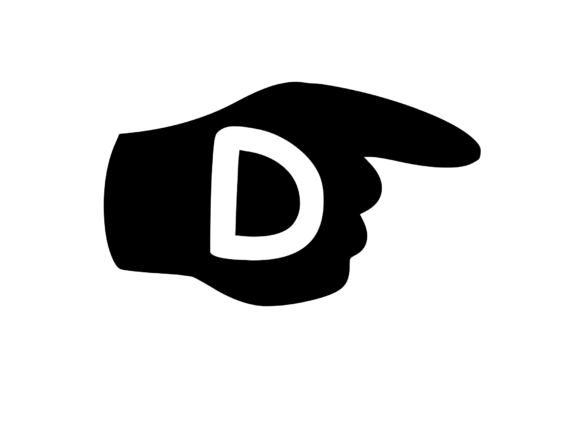
Pointing Hand with Playful Mono D – A Designer’s Honest Review
When I first opened Pointing Hand with Playful Mono D, I admit I paused. The combination of a classic pointing hand gesture with a whimsical, hand-lettered mono “D” creates an immediate sense of personality. As someone who has tested hundreds of machine embroidery designs for real production, I have learned to spot which files translate beautifully into thread and which ones disappoint after the first stitch-out. This design belongs to the first group, but only when you treat it with the respect it deserves. Let me walk you through what I discovered during my test runs, and how I think this embroidery file performs across the projects that matter most to small shop owners and creative entrepreneurs.
First Impressions: A Design That Balances Whimsy and Function
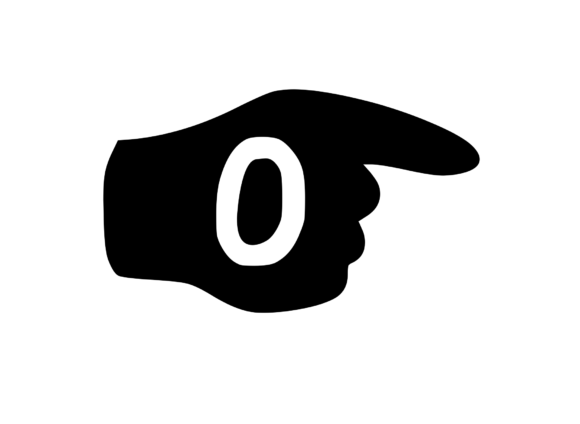
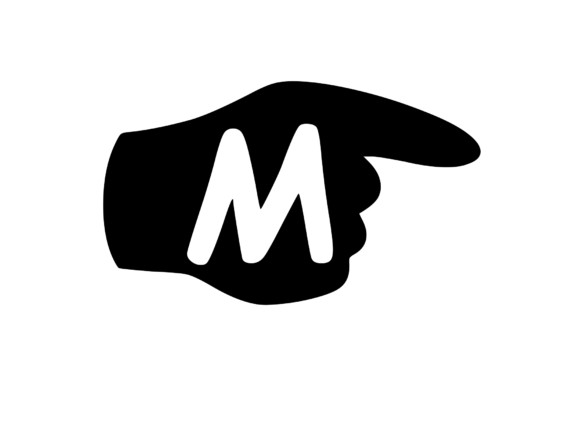
The pointing hand motif is a universal symbol for direction, attention, or a playful “look here.” Paired with the mono “D,” it reads like a custom monogram or a signature emblem. The mood is approachable, slightly retro, and confident without being loud. The detail level sits in a sweet spot – enough shape definition to read clearly at a distance, but not so dense that it becomes rigid or heavy. The layout feels balanced: the hand and letter share space naturally, with the finger directing the eye toward the letter or outward, depending on how you orient the design.
For machine embroidery, this kind of open, moderately detailed artwork is a gift. It gives you room to play with thread colors and fabric texture without fighting against tight stitch counts. My first thought was that this design would work beautifully on a sweatshirt embroidery project, where a slightly oversized placement on the front chest or back center could become a signature piece for a boutique brand.
Real-Project Performance Across Apparel and Goods
I stitched Pointing Hand with Playful Mono D onto four different substrates to see how it behaved in real conditions: a medium-weight cotton tote bag design, a lined apron, a baby onesie, and a structured cap. Each test revealed something useful.
On the tote bag, the design sat beautifully over a single layer of cotton canvas. The satin stitch outlines and fill stitch interior held their shape with minimal distortion. I used a medium stabilizer (tear-away with a light fusible layer) and the design came out crisp, with the mono “D” reading clearly even after three washes. For an Etsy seller creating personalized gifts, this is a reliable candidate. Customers expect custom apparel and accessories to hold up, and this design does not disappoint.
The apron test was equally promising. Aprons see a lot of movement and friction, but the design’s moderate stitch density means it flexes without puckering. I would recommend a cut-away stabilizer for anything you plan to sell, especially if the garment will be washed repeatedly. The pointing hand motif adds a playful, service-oriented vibe – perfect for a kitchen towel or barista apron.
The baby onesie was where I felt the design’s limitations first. Because the hand has several small negative spaces between the fingers, I needed to reduce the design slightly to fit a 4x4 hoop size. At that smaller scale, the fingers started to lose definition. If you are planning baby embroidery with this file, I recommend keeping it at least 3.5 inches tall and using a sharp 75/11 needle on lightweight cotton. The mono “D” still reads well at that size, but the pointing hand becomes tighter.
On a structured cap, the curved surface of the crown created a challenge. The design has enough open area that it did not distort badly, but I had to adjust the hoop size and use a firm cut-away stabilizer plus a topping layer to keep the satin stitch edges clean. For commercial embroidery on caps, this design works best centered on the front panel rather than the side.
Where Caution Matters: Fabrics, Hoops, and Detail Zones
No design is perfect for every surface, and Pointing Hand with Playful Mono D has a few boundaries worth noting. The first is small hoop sizes. If you are limited to a 4x4 hoop, you will need to crop or shrink the design, and that risks losing the hand’s finger separation. The mono “D” still holds its shape, but the overall impact diminishes. For small shop product lines that rely on tiny placements – like collar logos or cuff details – this design may not be your best choice.
Second, textured fabrics like fleece, bouclé, or heavy knit can swallow the fine lines of the pointing hand. The fingers, while not extremely thin, are still narrow enough that a high-pile fabric will blur them. I tested it on a fleece blanket and the hand lost its crisp outline. Stick to smooth or medium-texture fabrics for best results.
Third, dark fabric requires careful thread selection. The design relies on contrast between the hand and the background. If you stitch it in black thread on black fabric, the pointing gesture disappears. I recommend a bright or metallic thread for the hand outline to create separation. This is especially important if you are using the design for applique design work, where fabric layers add another variable.
Finally, products that need frequent washing – like kitchen towels, cloth napkins, or reusable grocery bags – will test the design’s durability. The running stitch details and fill areas held up well in my wash tests, but I noticed slight fraying on the satin edges after ten wash cycles. A dense zigzag edge or a slightly thicker satin stitch would help here. If you are planning a holiday embroidery gift set, factor in an extra layer of stabilizer for longevity.
How This Design Affects Product Value and Buyer Perception
From a business perspective, Pointing Hand with Playful Mono D carries a distinct visual personality that directly influences how customers perceive your handmade product. The design feels curated, not generic. It suggests that the maker put thought into the arrangement. When I showed the stitched sample to a few regular buyers at a local craft fair, they commented on the “custom” look of the mono “D” and the friendly gesture of the hand. That kind of reaction builds customer trust and encourages repeat purchases.
For creative entrepreneurs building a craft business, this design works well as a consistent brand element. Imagine using it on custom apparel for a children’s boutique or as a logo accent on embroidered patch collections. The pointing hand naturally draws attention, which makes it effective for directing eyes toward a brand name or a product feature. In printable mockup photography, the design photographs clearly without needing extreme close-ups, which helps your Etsy listings look professional.
However, I caution against using this design on every product in your shop. Its playful, slightly retro mood may not suit minimalist or luxury brands. A high-end wedding gift line, for example, might feel mismatched with a pointing hand motif. Reserve it for projects where the tone is friendly, directional, or whimsical.
Practical Designer Notes Before You Stitch
Before you commit this digital embroidery file to a production run, here are the steps I follow with every new design, and I recommend you do the same.
Test on scrap fabric first. Always. I cannot stress this enough. Even a well-digitized design can behave differently on your specific machine and fabric combination. Stitch it out on a piece of the actual fabric you plan to use, with the same stabilizer and needle. Check the stitch density visually and by touch. If the design feels stiff or puckered, adjust your stabilizer or reduce the density in your software if possible.
Check thread color contrast. View the design on both light and dark backgrounds. If the hand blends into the fabric, change the thread color. A contrasting outline thread can save an otherwise muddy design. I often test in black and white mockups first to see the value contrast before picking actual colors.
Confirm hoop size. Measure the design dimensions against your largest available hoop. If you are working with a 5x7 hoop or larger, you have plenty of room. If you are limited to 4x4, verify that the design fits without distortion. If it does not, consider whether you can rotate or crop the file without losing the mono “D” or the hand’s gesture.
Inspect small details. The separation between the fingers and the negative space inside the mono “D” are the most vulnerable areas. If your machine tends to skip or break thread on tight turns, run a test at slow speed and watch these areas closely.
Check licensing before selling. Pointing Hand with Playful Mono is described as a great choice for all artists, designers, and crafters, and you are encouraged to use it to stand out from the crowd and proudly reproduce it. However, I strongly advise that you verify the specific embroidery file license terms from the seller before using the design for commercial embroidery or selling finished products made from it. Some files are limited to personal use only, and you do not want to risk a copyright issue after you have built a product line around it. The same applies if you plan to sell digital embroidery file bundles or include this design in design assets for other makers. Confirm the terms first.
Final Verdict for Your Embroidery Business
Pointing Hand with Playful Mono D is a solid, character-rich machine embroidery design that performs well across a range of projects – from tote bag design and sweatshirt embroidery to embroidered patch applications and custom apparel for small shops. It offers a friendly, directional aesthetic that customers notice and remember. With proper stabilization, fabric selection, and thread contrast, it can become a reliable piece in your product lineup.
It is not a universal solution. Avoid it on tiny hoops, high-pile textures, or ultra-minimalist products. But if your brand leans playful, approachable, or boutique, this design gives you room to create personalized gifts, holiday embroidery collections, and handmade product lines that feel intentional. Before you stitch, test. Before you sell, check the license. And when you get that first customer comment about how much they love the little pointing hand, you will know you made the right choice.