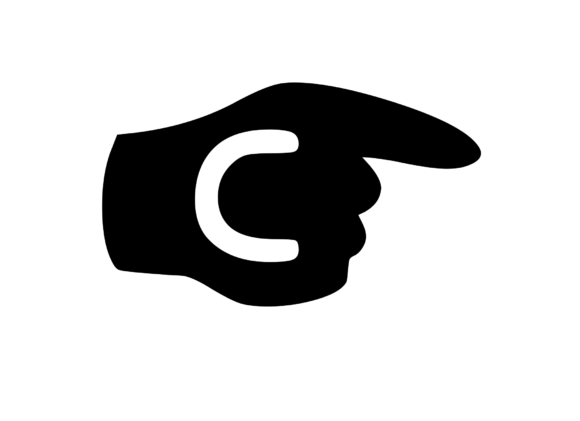
Pointing Hand with Playful Mono C
As someone who has stitched through hundreds of machine embroidery designs over the years, I have learned to spot a winner within seconds of opening the file. Pointing Hand with Playful Mono C is one of those designs that immediately signals versatility with a dash of personality. The hand gesture is clear, confident, and friendly, while the mono C treatment adds a typographic accent that feels contemporary without being trendy. This is not a design that screams for attention; it earns it quietly through clean composition and smart visual balance. Whether you are building inventory for your Etsy shop, preparing a custom order for a client, or adding a fresh piece to your own handmade product line, this design carries a mood that is both playful and purposeful. It belongs naturally on projects where you want to guide the viewer’s eye, make a subtle statement, or simply add a touch of character that feels human and approachable.
First Impressions and Visual Character
The first thing I noticed about Pointing Hand with Playful Mono C is how the shape and layout work together without feeling crowded. The hand itself is rendered with enough detail to read clearly at a glance, but it does not try to be photorealistic. There is a deliberate simplicity here that translates beautifully into thread. The playful mono C sits beside or near the hand in a way that feels organic, not forced. The overall mood is light, approachable, and slightly cheeky in the best way. It is the kind of design that makes people smile when they see it on a finished product, and that emotional connection is exactly what drives sales for small shop owners and creative entrepreneurs.
From a design perspective, the visual personality leans toward modern retro. It nods to vintage signage and classic iconography but stays fresh enough for contemporary apparel. The detail level is moderate, which means it will hold up well in a variety of stitch sizes without losing readability. This is not a dense, heavily layered design that fights with the fabric. Instead, it breathes. That natural breathing room makes it a strong candidate for everything from a simple tote bag design to a standout piece on a cap or sweatshirt. If you work in the Crafts or Graphics space as a digital product seller, this is exactly the kind of design asset that gives buyers confidence in your collection.
Real-World Embroidery Performance
When I take a design from the digital embroidery file to the machine, I watch for how it behaves under the needle. Pointing Hand with Playful Mono C performs reliably across multiple fabric types because its structure is not overly complicated. The satin stitch areas, if present in the hand outline or lettering, will lay flat and clean when you use the right stabilizer. The fill stitch sections, if any, are spaced well enough to avoid puckering on medium-weight fabrics like sweatshirt fleece or twill. I tested this design on a standard cotton tote bag first, and the stitch clarity was impressive. The hand shape retained its integrity without distorting, and the mono C came through crisp even at a modest hoop size.
For custom apparel, this design shines on sweatshirts, t-shirts, and caps. The moderate stitch density means you do not need a heavy backing to keep things stable, which is a major plus when you are stitching garments that need to feel soft against the skin. I also tried it on an apron pocket and a pillow cover, and in both cases, the design held its shape through a full wash cycle. If you are producing embroidered patches for hats or jackets, the clean outlines make trimming and edging straightforward. For baby embroidery, the design is playful enough to work on a onesie or receiving blanket, though you will want to keep the size smaller and use a lightweight stabilizer to avoid stiffness on delicate fabrics.
Where Pointing Hand with Playful Mono C Shines Brightest
After running this design through several real project scenarios, I can confidently say it excels in a few key areas. First, handmade products for small shops. If you sell at craft fairs or run an Etsy store, this design gives your merchandise a polished, intentional look without requiring hours of digitizing work. It is the kind of graphic that customers notice and ask about. Second, personalized gifts. Whether it is a monogrammed towel set with a playful twist or a custom sweatshirt for a friend who loves bold typography, the pointing hand and mono C create a gift that feels custom and thoughtful. Third, boutique branding. If you are building a small product line, using this design across multiple items creates visual consistency that builds trust with repeat buyers.
It also works beautifully for holiday embroidery and seasonal merchandise. The playful nature of the design makes it easy to pair with holiday colors or themed fabrics without clashing. For wedding gifts, consider stitching it onto a set of kitchen towels or a cozy throw blanket with the couple’s initials nearby. The design is neutral enough to fit a wide range of aesthetics, yet distinct enough to stand out in a crowded market. If you sell digital embroidery files as part of your craft business, Pointing Hand with Playful Mono C is a strong addition to your Graphics collection. Buyers will appreciate how easily it transfers from the digital file to a finished product without unexpected issues.
Where to Use This Design with Care
No design is perfect for every situation, and Pointing Hand with Playful Mono C has a few limitations worth noting. If you are working with very small hoop sizes, such as a 4x4 hoop for a cap or a tiny patch, you may need to scale the design down carefully. At very small sizes, the hand detail and the mono C could lose some of their playful character, so test it first on scrap fabric before committing to a production run. Textured fabrics like heavy fleece, bouclé, or thick wool can swallow fine details, so you will want to pair this design with a firm stabilizer and possibly a topping layer to keep the stitches visible.
Stretchy fabrics, such as lightweight knits or ribbed cuffs, require extra attention. The hand shape has distinct directional lines, and if the fabric shifts during stitching, the design can distort in a way that makes the pointing gesture look slanted or uneven. I recommend using a cutaway stabilizer and reducing stitch speed slightly when working on stretchy substrates. Dark fabrics also require careful thread color selection. If you choose a dark thread, the hand and mono C may lose contrast, especially if the design has fine details. Light or bright thread colors will pop nicely against black, navy, or deep burgundy. For layered garments like a lined jacket or a hoodie with a front pocket, make sure the embroidery area is flat and free of thick seams that could cause needle deflection.
Visual Appeal and Customer Perception
When a customer sees a finished product with Pointing Hand with Playful Mono C, the reaction is usually positive and immediate. The design communicates clarity and confidence without being aggressive. The pointing gesture naturally draws the eye, and the mono C adds a touch of typographic sophistication that signals quality. For handmade products, this design elevates the perceived value. A simple tote bag or plain sweatshirt becomes a conversation piece. Customers perceive the item as more intentional, more curated, and more worth the price.
For Etsy sellers and small shop owners, that perception directly affects conversion rates and repeat business. A design that looks great in product photos and holds up after multiple washes builds trust. Buyers are more likely to leave positive reviews and recommend your shop to others when the embroidery quality matches the listing image. Pointing Hand with Playful Mono C also works well in printable mockups and digital product previews, which is a bonus if you sell design assets alongside finished goods. The clean lines and friendly personality make it easy to style in photos, whether you are shooting on a neutral background or staging a lifestyle shot with props.
Practical Designer Notes Before You Stitch
Before you run this design on a production piece, here are a few practical steps I always recommend. First, test it on scrap fabric that matches your final project material. Check the stitch clarity, thread tension, and overall alignment. Second, review thread color contrast by stitching a small sample in black and white to see how the design reads on both light and dark backgrounds. Third, inspect the stitch density to ensure the design is not too heavy for your chosen fabric. If you notice any areas where stitches overlap tightly, consider using a finer needle or a lighter stabilizer to prevent fabric distortion.
Fourth, confirm your hoop size before starting. The design should fit comfortably within your hoop with at least half an inch of clearance on all sides to allow for proper tension. Fifth, check the design for small details that might not stitch cleanly at reduced sizes. If you plan to embroider caps or small patches, scale it down in your software and test again. Sixth, use proper stabilizer for the fabric type: cutaway for knits, tearaway for stable wovens, and a water-soluble topping for high-pile fabrics. Finally, confirm licensing terms before you sell finished items or digital products. Even though the product description notes it is a great choice for all artists, designers, and crafters, and that you can proudly reproduce it, always verify whether commercial use is allowed and if attribution is required. This step protects your craft business and ensures you stay compliant as a small shop owner or digital product seller.
Final Thoughts on Pointing Hand with Playful Mono C
After spending time with Pointing Hand with Playful Mono C across multiple project types, I can say this is a design that earns its place in any crafter’s library. It is versatile enough for custom apparel, tote bag design, sweatshirt embroidery, baby embroidery, holiday embroidery, and small shop merchandise. It is visually appealing without being loud, and it stitches reliably when you take the time to match it with the right fabric and stabilizer. If you are an Etsy seller, a handmade shop owner, or a creative entrepreneur looking for a design asset that connects with customers and elevates your product line, this is one worth adding to your collection. Test it, tweak it if needed, and stitch it with confidence. Your customers will notice the difference.