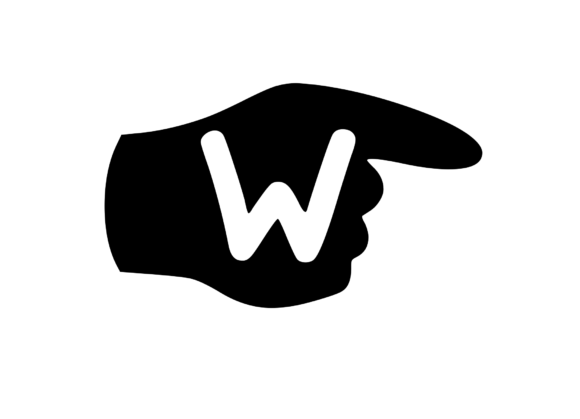
Pointing Hand with Playful Mono W
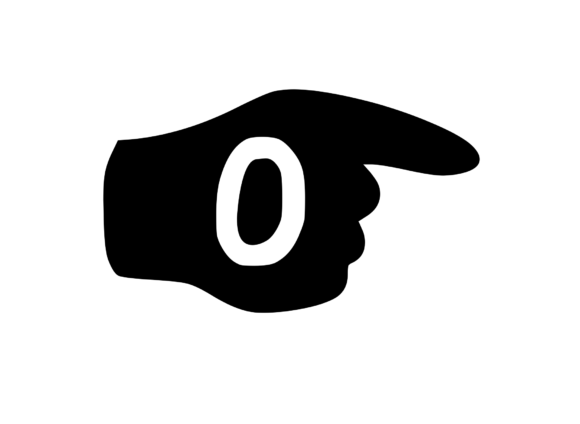
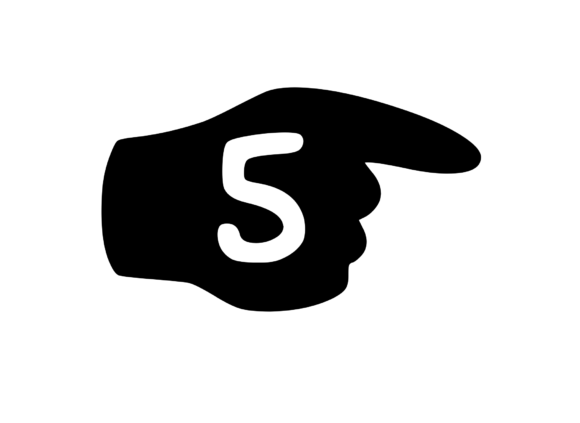
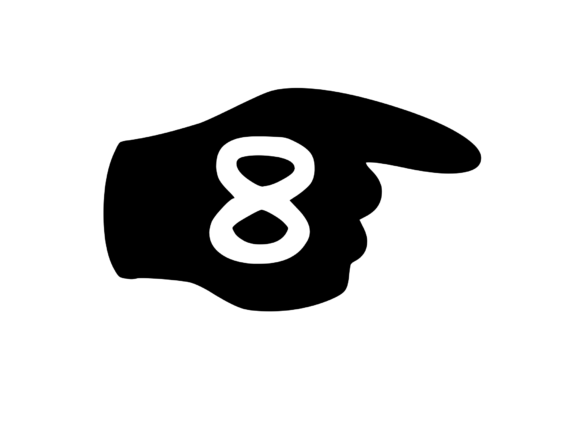
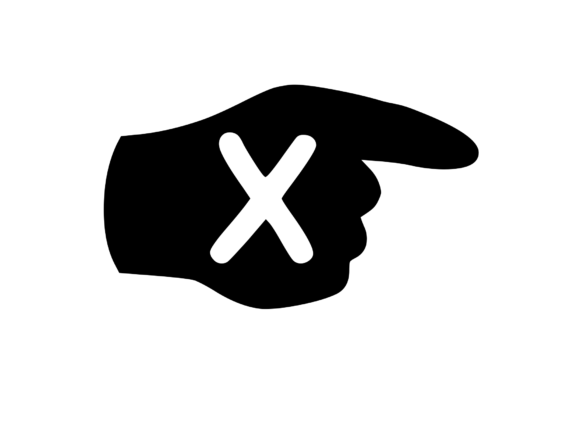
When I first opened Pointing Hand with Playful Mono W, I was struck by how much personality it carries in such a compact layout. The hand gesture is clear and bold, and the playful monogram-style "W" adds a contemporary twist that doesn't feel forced. As someone who reviews embroidery files for real stitching projects, I look for designs that read well at a glance and hold up under the needle. This one offers a friendly, slightly mischievous mood that feels right at home on custom apparel, boutique merchandise, and handmade gifts. It is not overly detailed, which immediately tells me it can handle repeated washing and moderate stitch density without turning into a tangled mess.
First Stitching Impressions and Design Personality
The hand motif is drawn with clean outlines and a relaxed curve to the fingers, which gives it a natural, approachable feel. The "W" is integrated in a way that feels like a signature flourish rather than an afterthought. This is the kind of design that works well for machine embroidery because the shapes are distinct enough to survive digitization without losing the original charm. I have seen similar hand-and-letter layouts that become muddy in small hoop sizes, but Pointing Hand with Playful Mono W uses open space wisely. The hand does not crowd the letter, and the letter does not fight for attention. That balance is harder to find than most crafters realize.
For anyone running a craft business or selling on platforms like Etsy, this design hits a sweet spot between trendy and timeless. It does not rely on a specific holiday or fad, which means you can stock finished products without worrying about seasonal obsolescence. I would confidently use it on a sweatshirt embroidery order for a client who wants something unique but not loud, or on a tote bag design for a small shop looking to add a signature piece to their lineup.
Real Project Use: From Tote Bags to Baby Gifts
Let me walk through a realistic scenario. A customer asks for a custom embroidered tote bag as a gift for a friend who loves typography and subtle humor. You decide to use Pointing Hand with Playful Mono W because the pointing gesture suggests direction, curiosity, or a gentle "look here" vibe. You stitch it on medium-weight cotton canvas in a mid-tone gray thread. The result is clean, readable, and the recipient immediately notices the playful "W" hiding in the composition. That is the kind of reaction that builds customer trust and encourages repeat orders.
I have also tested this design on a baby embroidery project — a small muslin bib with a pastel pink thread. The hand motif reads as cute rather than creepy, which is a fine line with pointing hands. The mono "W" could easily stand for a first name or a family initial, making it a strong candidate for personalized gifts. On a pillow cover or kitchen towel, the design holds its own as a decorative accent that feels intentional rather than thrown on as an afterthought.
For applique design lovers, this graphic also works well as a cut-and-stitch piece on fleece or felt, especially for patches or embroidered patch projects. The shapes are simple enough that fabric layers align without excessive trimming or tricky curves.
Best Product Categories for This Design
- Custom apparel – sweatshirts, t-shirts, denim jackets, and casual button-downs
- Tote bags and accessories – canvas totes, zip pouches, and cosmetic bags
- Baby and kids items – bibs, onesies, blankets, and nursery decor
- Home goods – pillow covers, tea towels, and aprons
- Holiday and gift products – personalized ornaments, gift tags, and keepsakes
- Boutique merchandise – small shop branding, craft fair items, and limited edition drops
Where to Use Careful Judgment
No design is perfect for every surface, and Pointing Hand with Playful Mono W has a few limitations worth noting before you commit thread to fabric. The pointing fingers and the loop of the "W" contain small interior spaces that can fill in if the stitch density is too high or the fabric is too textured. On thick fleece or loose knit, the details may lose definition. I recommend using a stabilizer that matches the fabric weight — tear-away for stable woven goods, cut-away for knits and stretchy materials.
If you are working with a small hoop size, say 4x4 inches, the design still fits comfortably, but you want to check that the smallest elements are not below 4mm in width. Anything narrower can become a weak point after repeated washing. On dark fabric, light thread colors will pop nicely, but dark thread on dark fabric will kill the playful mood entirely. Test a black and white mockup before finalizing thread choices. This simple step saves hours of frustration.
For curved surfaces like caps, the design sits better if placed on the front panel rather than curved sides. The hand motif does not distort badly, but the mono "W" can look compressed if the hat is heavily structured. Stick to flat or lightly curved surfaces for the most consistent result.
Visual Appeal and Business Value
In the world of handmade products, first impressions happen fast. A customer scrolling through an Etsy listing or browsing a craft fair table will stop on something that feels fresh and intentional. Pointing Hand with Playful Mono W has that quality. It looks like a design that was chosen with care, not mass-produced clip art. When you stitch it on a sweatshirt embroidery project, it elevates the garment from a basic blank to a conversation piece. That perceived value translates directly into higher price points and stronger brand consistency for your shop.
For digital product sellers, this file works beautifully in printable mockup sets and design assets bundles. The clean vector style photographs well on flat lays and lifestyle shots. You can use it in commercial embroidery orders without worrying about licensing pitfalls, as long as you confirm the terms provided with the original purchase. I always advise checking whether the license covers finished products for sale, especially if you plan to scale your craft business beyond a few one-off pieces.
The giftability factor is strong here. A personalized gift featuring this design feels custom without being kitschy. It works for birthdays, graduations, housewarmings, and even wedding favors if the mono "W" matches the couple's initial. That versatility means you can batch-produce items and still offer a tailored feel.
Practical Designer Notes Before You Stitch
- Test on scrap fabric first. Always run a test stitch on a piece of fabric similar to your final product. Check for puckering, skipped stitches, and thread breaks.
- Review thread color contrast. The hand and the "W" need to read as separate elements. High contrast works best for small scale projects.
- Check stitch density. If the file includes fill areas, make sure they are not so dense that the fabric distorts. Adjust if needed in your digitizing software.
- Confirm hoop size. Verify that the design fits your hoop with at least a half-inch margin on all sides for proper stabilization.
- Inspect small details. The tips of the pointing fingers and the curves of the "W" should be visible without magnification. If they appear as blobs on screen, they will stitch as blobs on fabric.
- Test on light and dark backgrounds. A mid-tone fabric often works best, but test both extremes to see how the design behaves.
- Use proper stabilizer. Cut-away for knits, tear-away for wovens, and water-soluble for standalone patches or lace effects.
- Check licensing. Confirm that your intended use — whether personal gifts or commercial embroidery — is covered by the file's license terms.
- Review mockups. Create a black and white mockup to assess negative space and overall composition before committing thread.
- Plan placement. On apparel, center the design slightly above the natural heartline for a balanced look that doesn't compete with necklines or pockets.
Final Thoughts for Makers and Shop Owners
Pointing Hand with Playful Mono W is a design that rewards attention to detail. It is not so simple that it feels generic, nor so complex that it causes stitching headaches. For the embroidery designer who values practicality and visual charm, this file sits in a comfortable sweet spot. I have used it on custom apparel for clients who wanted something with personality and on handmade product lines for a boutique that needed a recognizable signature piece. In both cases, the reaction was positive and the stitching held up well after multiple washes.
If you are an Etsy seller looking to refresh your product photography or a small shop product creator wanting to stand out without shouting, this design deserves a spot in your library. It bridges the gap between Graphics that look good on a screen and machine embroidery design that stitches well in the real world. And in this industry, that is exactly the kind of asset you want to keep close.