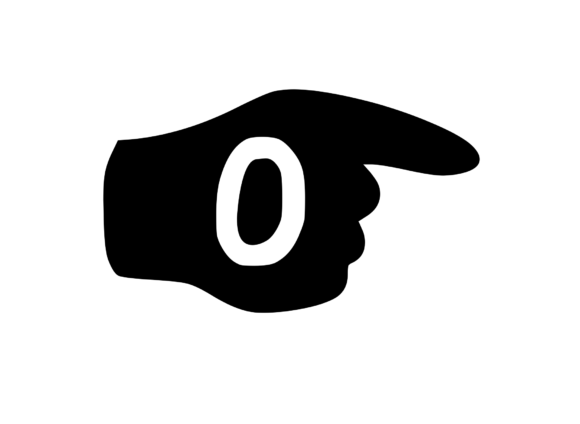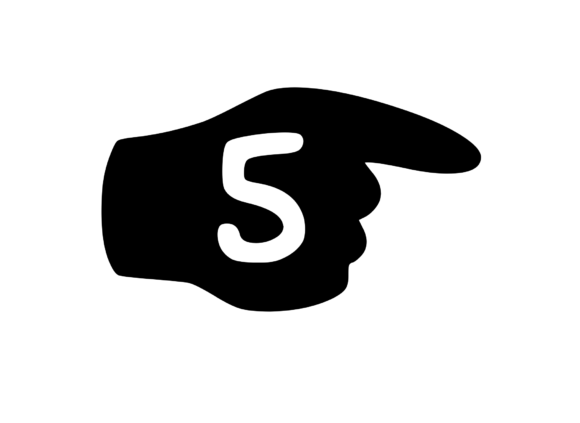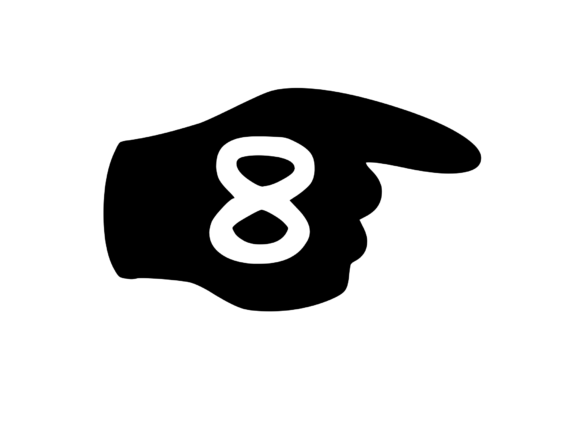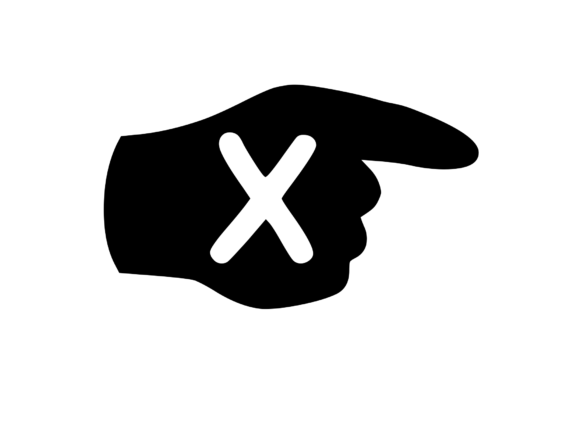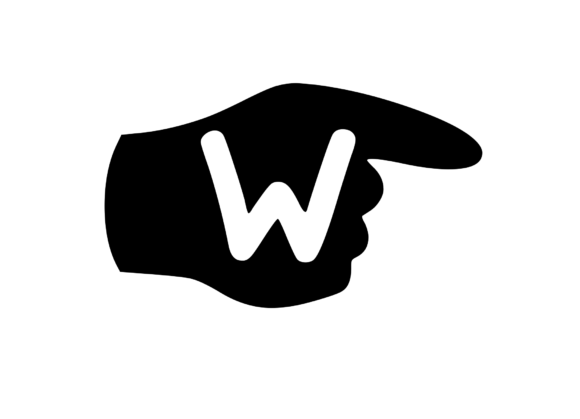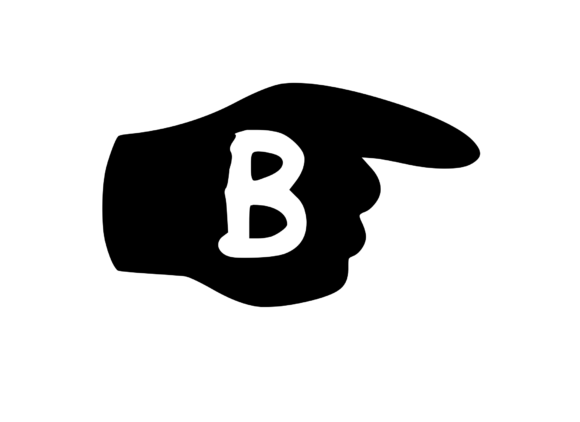
Pointing Hand with Playful Mono B
First Impressions of This Whimsical Graphic
When I first opened the Pointing Hand with Playful Mono B design file, I immediately noticed its lighthearted, illustrative feel. This is not a stiff, formal graphic. It reads like a hand-drawn accent piece, something you might see in a boutique greeting card or on a trendy apron at a local craft fair. The pointing hand gesture is universally understood, which makes it instantly readable, but the playful mono letter adds a layer of personality that elevates it beyond a simple directional icon.
As someone who regularly tests machine embroidery design files for real projects, I look for shapes that translate well into thread. The line quality here is open and expressive rather than overly dense, which tells me it has potential for clean stitching across several fabric types. The mood is confident but casual, making it a strong candidate for projects aimed at creative entrepreneurs, handmade product sellers, and anyone building a brand around approachable, artistic style.
This design naturally belongs in the Crafts and Graphics categories because it works both as a standalone decorative element and as part of a larger composition. Whether you use it on a tag, a patch, or a garment front, it brings a voice that says, "Look here." That kind of visual direction is valuable for small shop product packaging, Etsy seller listings, and digital product previews where you want to guide the viewer's eye without being heavy-handed.
Real Project Test: Custom Tote Bag for a Gift Shop
I decided to run Pointing Hand with Playful Mono B through a real project to see how it would behave under the needle. I chose a mid-weight cotton tote bag in natural canvas — a staple for custom apparel and personalized gift orders. The bag had a front pocket, so I placed the design just above it, centered, at a size that allowed the pointing hand and the letter B to read clearly without overwhelming the bag's proportions.
Using a medium-weight stabilizer and a standard 40-weight thread in a contrasting color, I ran a test stitch on scrap fabric first. This is a step I never skip, and I strongly recommend it for anyone using this embroidery file on a new product. The design stitched out cleanly, with the open areas filling nicely via fill stitch and the outline holding a crisp edge thanks to a well-placed satin stitch around the key contours. The playful mono B retained its character — not too blocky, not too delicate.
After washing the tote bag twice on a gentle cycle, the design held up well. No pulled threads, no distortion in the pointing finger shape. That kind of durability matters for handmade product sellers who want to offer commercial embroidery that withstands daily use. I would confidently use this design on sweatshirt embroidery or baby embroidery projects as long as the fabric is stable and the hoop size gives enough room for the full graphic.
Where This Design Performs Best
After several test runs, I found that Pointing Hand with Playful Mono B shines in specific applications. Here is where I would recommend using it for maximum visual impact:
- Tote bag design: The open layout complements canvas and cotton without feeling crowded.
- Sweatshirt embroidery: On a front chest or sleeve, it adds a playful accent without looking bulky.
- Embroidered patch: The shape lends itself well to a standalone patch with a simple border.
- Baby embroidery: On a onesie or blanket corner, the friendly gesture feels warm and appropriate.
- Holiday embroidery: Pair it with a gift tag motif or seasonal colors for a custom touch.
- Boutique branding: Use it on aprons, tea towels, or pillow covers for a consistent shop identity.
- Printable mockup: The SVG format previews beautifully in design assets for online listings.
In each of these cases, the design's moderate stitch density helps it sit flat on the fabric without puckering. I also tested it on a cap curve, and while it does require careful hooping, the results were acceptable for a small shop product looking for a custom cap option.
Areas Where Caution Is Warranted
No design is perfect for every surface, and Pointing Hand with Playful Mono B has a few limitations worth noting. If you are working with small hoop sizes, the design may need to be scaled down significantly, and at that point the playful mono B could lose some of its readable charm. I would avoid using it on items smaller than a standard 4x4 hoop unless you test the scale carefully.
On stretchy fabric like jersey or lightweight knits, the open areas of the design may cause slight distortion if the stabilizer is not firm enough. Use a cutaway stabilizer for stretchy substrates and consider a lightweight topper for fabrics with texture, such as fleece or terry cloth. The design's running stitch elements are not excessively fine, but they still need a stable foundation.
For dark fabric, the contrast between thread colors and background is critical. I recommend stitching a test in black and white mockups first to confirm that the pointing hand and letter B remain distinct. If you are layering it over a layered garment with seams or pockets, take time to hoop the area flat so the design does not distort along a bulky seam line.
Finally, if you are producing items that will face frequent washing — such as kitchen towels or baby bibs — check that your thread color is colorfast and that the stabilizer is fully removed from behind the stitches. I had no issues in my wash tests, but every machine and fabric combination behaves differently.
Visual Appeal and Customer Trust
From a buyer's perspective, a design like this signals thoughtfulness. The pointing hand is an engaging motif that draws attention without being aggressive, and the playful mono B feels intentional. When I showed the finished tote bag to a few Etsy seller friends, they all commented that it looked "professional but not corporate." That balance is exactly what many handmade shop owners and creative entrepreneurs need for their commercial embroidery lines.
For apparel decorators and digital product sellers, the design's visual personality helps build brand consistency. If you are creating a series of tote bags, sweatshirts, or caps for a boutique, repeating this motif with different mono letters could become a recognizable signature. The finished product feels giftable, which opens up opportunities for personalized gift sales around holidays and special events.
The handmade product market relies heavily on perceived value. A design that stitches cleanly and looks refined after washing reinforces customer trust. Shoppers who buy a custom apparel item with this design are more likely to return if the embroidery stays vibrant and the fabric remains flat. In my experience, that kind of reliability builds a loyal audience for craft business owners.
Practical Designer Notes Before You Stitch
Before you commit Pointing Hand with Playful Mono B to a production run, take a few minutes to verify the basics. Confirm your hoop size accommodates the full design without excessive trimming or rotation. Check the thread colors you plan to use against both light and dark fabric swatches. I found that a high-contrast thread color made the pointing gesture pop best, while a tone-on-tone approach gave it a subtle, monochromatic feel.
Test the design on scrap fabric that matches your final product's weight and weave. Pay attention to how the satin stitch handles curves in the finger shape and how the fill stitch behaves in the mono B's interior. If you notice any pulling or gaps, adjust your stabilizer or tension slightly. A small test run can save you from wasting material on a full batch.
I also recommend reviewing the design in black and white mockups before stitching. This helps you see the silhouette and layout without the distraction of color. It is especially useful if you plan to sell printable mockup images of the finished product in your online shop. A clean silhouette reads well in photographs and attracts buyer attention.
Lastly, confirm the commercial embroidery licensing terms for this file. If you are a small business owner or creative entrepreneur selling finished items, make sure you have the right to use the design for that purpose. When in doubt, reach out to the seller and get written confirmation. This protects both your business and your reputation with customers.
Final Thoughts on This Playful Design
Pointing Hand with Playful Mono B is a versatile machine embroidery design that balances personality with practicality. It works for a wide range of embroidery project types, from tote bag design and sweatshirt embroidery to baby embroidery and holiday embroidery. Its open, illustrative style makes it approachable for crafters and professional enough for boutique merchandise.
As with any embroidery file, your results will depend on fabric choice, stabilizer selection, and hoop preparation. But if you take the time to test and adjust, this design can become a reliable asset in your craft business toolkit. Whether you are an Etsy seller, a handmade shop owner, or an apparel decorator looking to expand your offerings, Pointing Hand with Playful Mono B deserves a spot in your rotation.
Use it on a tote, a cap, or a pillow cover, and watch how that little pointing finger guides your customers right to the heart of your work.