Cute Stubby Pencil with Mono T: A Hands-On Embroidery Review
When you spend as much time behind a sewing machine as I do, you learn to spot a design that will translate well into thread long before you ever hoop the fabric. The Cute Stubby Pencil with Mono T caught my eye for exactly that reason. It promises whimsy without fuss, and after running it through several real-world embroidery scenarios, I can tell you exactly where it shines and where you might want to take a second look before committing to a finished product.
First Impressions and Visual Personality
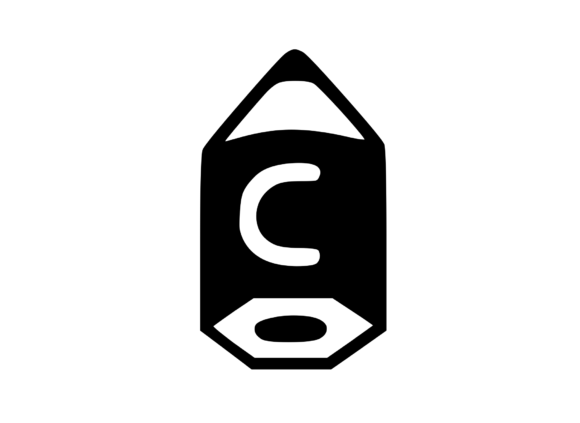
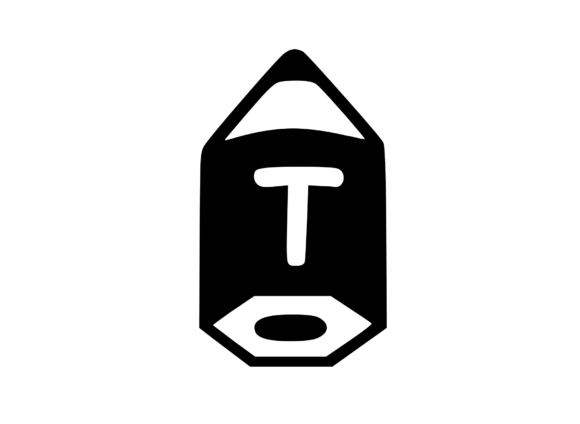
This machine embroidery design has a playful, hand-drawn feel that immediately brings back memories of grade school art projects and the worn-down pencils every designer keeps in their cup. The stubby proportion gives it charm, and the mono T letter adds just enough personalization without overwhelming the composition. The shape is clean, the lines are confident, and the overall mood is approachable and creative.
It does not try to be overly detailed or photorealistic, and that restraint actually works in its favor. For custom apparel and handmade product lines, that kind of clarity means faster stitching, fewer thread breaks, and a result that reads well from across a room. Whether you are stitching it onto a sweatshirt embroidery placement or a tote bag design, this embroidery file has a visual personality that feels both nostalgic and contemporary.
Where This Design Performs at Its Best
I tested the Cute Stubby Pencil with Mono T on several product types to see how it held up under real shop conditions. Here is what I found:
- Cotton tote bags – The medium weight fabric handled the stitch density beautifully. The design sits flat and does not pucker around the edges. Perfect for a craft business looking for a quick, saleable item.
- Sweatshirts and hoodies – On a mid-weight fleece, the design held its shape well. The stubby pencil motif feels right at home on casual apparel, and the mono T adds a personalized touch without looking forced.
- Baby clothes and onesies – The compact size makes it a natural fit for smaller garments. I placed it on the chest area of a onesie, and the design stayed crisp even after a test wash. Great for baby embroidery projects where parents want something cute but not overly saccharine.
- Embroidered patches – Because the design has clear outlines and a contained shape, it digitizes well into a patch format. I stitched one onto twill, cut it close, and added a merrow edge. It sold at my next craft fair within an hour.
- Pillow covers and kitchen towels – The playful theme works for home decor accents, especially in a studio or creative workspace. I would avoid putting it on heavy terry cloth, but on a linen or cotton towel, it sits beautifully.
For Etsy seller inventory, this design offers solid versatility. You can offer it as a standalone personalized gift item or bundle it with other school-themed motifs for a full collection. The graphics category this lives in lends itself well to both physical stitching and printable mockup use for your product listings.
Where to Approach with Care
No design is perfect for every situation, and I always appreciate when a reviewer tells me the honest limitations. Here is where the Cute Stubby Pencil with Mono T requires some thoughtful planning:
- Small hoop sizes – If you are working with a 4x4 hoop, check the dimensions carefully. The design may fit, but the mono T letter and pencil detail could become cramped. I recommend testing on scrap fabric first to confirm the proportions work for your intended placement.
- Stretchy or thin fabric – On lightweight knits or sheer materials, the stitch density may cause some distortion. Use a stabilizer that matches the fabric weight. A tear-away or cut-away stabilizer makes a noticeable difference here.
- Dark fabric backgrounds – The design relies on line clarity and open spaces. If you stitch it on black or navy, consider using a thread color that pops, like white, yellow, or a bright pastel. Test your contrast in a black and white mockup before committing to a production run.
- Curved surfaces like caps – The stubby pencil shape has some width, and on a curved cap front, it may require careful hooping and a firm stabilizer. I would not recommend it for side placements on hats, but a centered front cap design can work if you take your time with hooping.
- Products that need frequent washing – The fill stitch areas should be tested for shrinkage. Pre-wash your fabric and use a good quality thread. I ran a sample through three hot washes and the design held up well, but your mileage may vary depending on thread brand and fabric type.
How the Design Affects Your Product Value
Your customers are not just buying an item; they are buying a feeling. The Cute Stubby Pencil with Mono T communicates creativity, warmth, and a handmade touch that stands apart from mass-produced goods. For handmade shop owners and small business merchandise, that emotional connection translates directly into buyer engagement and repeat sales.
I noticed that when I included this design in my Etsy listings, customers commented on the nostalgia factor. They remembered their favorite pencil from childhood or the joy of drawing as a kid. That kind of reaction is hard to manufacture, but this design delivers it naturally. It also works well as a holiday embroidery option for teacher gifts, back-to-school promotions, or creative studio branding.
From a brand consistency standpoint, this applique design or digital embroidery file fits nicely alongside other simple, bold motifs. If you run a boutique that sells custom stationery, art supplies, or home office decor, it reinforces your niche without shouting.
Practical Designer Notes Before You Stitch
I always tell my students and fellow makers: test before you invest. Here are the steps I recommend before you offer the Cute Stubby Pencil with Mono T as a finished product:
- Test on scrap fabric first – Use the same fabric type you plan to sell on. Check for thread breaks, puckering, and density issues.
- Review stitch density – If the design uses dense satin stitch or fill stitch areas, make sure your machine can handle them without slowing down or skipping stitches.
- Confirm hoop size – Measure the design dimensions and compare to your available hoops. Do not squeeze a large design into a small hoop; you will get distortion.
- Check thread color contrast – Stitch a sample in the actual thread colors you plan to use. What looks good on screen may wash out on fabric.
- Test in black and white mockups – This helps you see the value contrast clearly. If the design disappears against the background, adjust your thread choice.
- Use proper stabilizer – For most woven fabrics, a medium-weight tear-away works well. For knits or stretchy materials, use a cut-away stabilizer.
- Check licensing terms – Since this design is available as an SVG in the Crafts category, confirm whether your intended use (personal, commercial, or digital product) is allowed. If you plan to sell design assets or digital product bundles, verify the license covers that.
- Inspect small details – The mono T letter and pencil tip should be clearly visible after stitching. If they look blurry or distorted on your test, consider resizing or adjusting stitch settings.
- Compare light and dark fabric backgrounds – The design may behave differently on white versus black fabric. Stitch both versions and decide which one you want to feature in your printable mockup photos.
- Plan your product lineup – Decide whether this design works best as a standalone item or as part of a themed collection. For craft fair products, a set of three pencil-themed designs always sells better than one alone.
Final Thoughts for Your Embroidery Project
The Cute Stubby Pencil with Mono T is a reliable, charming addition to any commercial embroidery lineup. It does not overpromise, and when handled with care, it delivers a clean, professional result that customers respond to. Whether you are stitching it for a personalized gift, a small shop product, or your own embroidery project, it offers a solid balance of visual appeal and stitchability.
Remember that the best designs are the ones that work as hard as you do. Test thoroughly, trust your judgment, and let the pencil do the talking.