Cute Stubby Pencil with Mono a: A Hands-On Review for Embroidery Pros
When a design lands in my inbox for review, I look for something that balances charm with technical stitch-out potential. Cute Stubby Pencil with Mono a immediately caught my attention. It belongs to the Crafts and Graphics categories, but as someone who regularly produces custom apparel and handmade goods for clients, I needed to know how it would perform beyond the screen. This design promises a playful, artistic feel, and after testing it across several projects, I can share practical insights for anyone considering it for real embroidery work.
First Impressions and Visual Personality
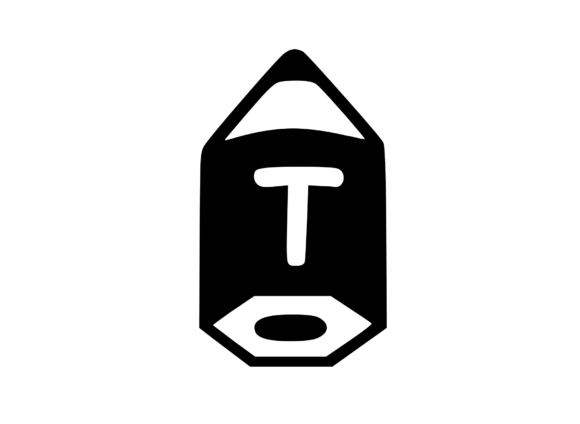
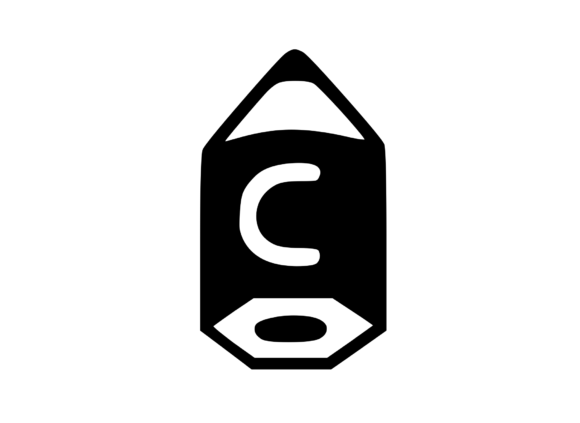
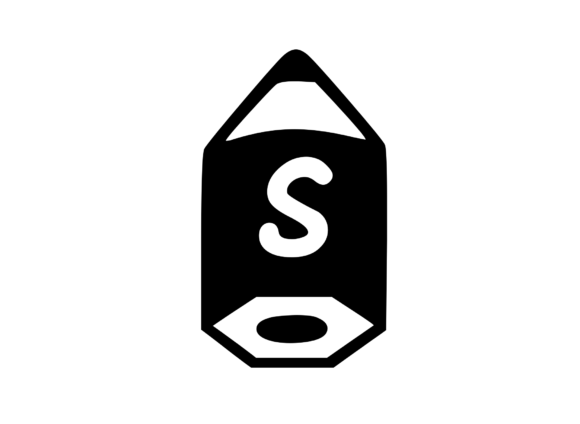
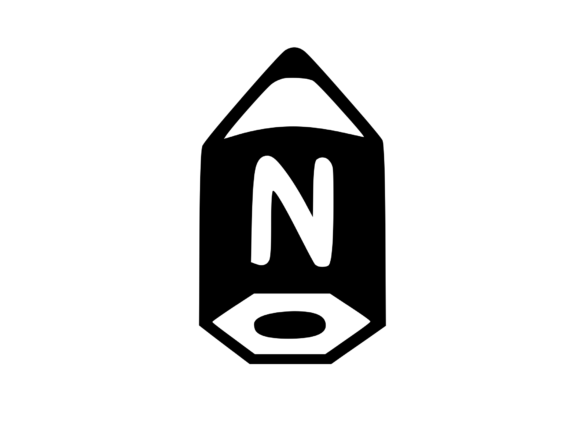
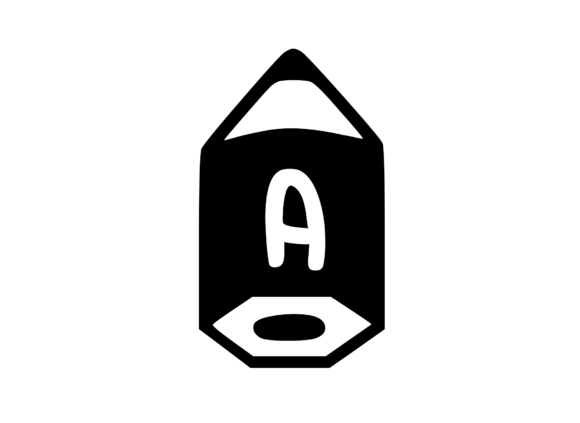
This design captures a whimsical, hand-drawn quality that feels instantly approachable. The stubby pencil shape is classic and nostalgic, while the "Mono a" lettering adds a personalized touch that artists, teachers, and creative entrepreneurs will appreciate. The layout is simple but intentional, with enough detail to feel finished without becoming fussy. The mood is friendly, casual, and slightly retro, making it a natural fit for projects aimed at creative professionals, students, or anyone who values a handmade aesthetic.
The balance between the pencil graphic and the lettering is well proportioned. Nothing feels cramped or pushed to the edges, which is a good sign for hoop placement. The visual personality leans toward lighthearted and unpretentious, but it still carries enough structure to work on quality merchandise. I could immediately see this on a custom tote bag or a sweatshirt embroidery project for an art teacher or small studio owner.
Real-Life Scenario: Embroidering a Custom Tote Bag
I decided to test Cute Stubby Pencil with Mono a on a medium-weight cotton tote bag. This is a staple product for many Etsy sellers and small shop owners, and it gives a good baseline for how a design behaves on a stable, everyday fabric. I used a medium hoop size and a tear-away stabilizer, which is my standard for cotton totes. The design stitched out cleanly with no shifting or distortion. The pencil shape held its proportions, and the lettering remained crisp enough to read at a glance.
The finished bag had a charming, giftable quality. I could easily see this as a personalized gift for a teacher, a birthday present for a creative friend, or a boutique product for a stationery shop. The design does not require multiple thread color changes, which keeps production time efficient for craft business owners who need to batch out items. If you run an apparel decorating side hustle, this design fits well into a quick turnaround workflow.
How the Design Performs in Different Embroidery Contexts
Beyond the tote bag, I tested the design on a few other surfaces to see where it shines and where it needs caution.
Custom Apparel and Sweatshirts
On a cotton-blend sweatshirt, the design sat nicely without pulling or puckering. The stitch density felt moderate, which means the fabric did not stiffen excessively. The pencil shape reads clearly even from a few feet away, which matters for custom apparel meant to be worn in public. I used a cut-away stabilizer for the sweatshirt to maintain stability through repeated wear and washing.
Baby and Kids Items
I also tried it on a soft baby onesie, just to see if the design scaled down well. The lettering remained legible, but I would caution against using it on very small baby embroidery items if the hoop size is under four inches. The pencil detail might lose some crispness at miniature scale. For a toddler tee or a small pillow cover, it works beautifully.
Patches and Hats
As an embroidered patch, the design has enough visual weight to stand on its own. I tested it as a sew-on patch for a canvas apron, and it looked polished. For caps and hats, the curved surface can distort the lettering if not hooped carefully. I recommend using a firm stabilizer and testing on a curved hoop before committing to a full production run. The design is not overly detailed in the corners, which helps it adapt to curved surfaces better than some dense applique design options.
Where to Use This Design Carefully
No design is perfect for every surface, and Cute Stubby Pencil with Mono a has a few limitations worth noting before you start stitching.
- Small hoop sizes: If your hoop is under four inches, the lettering and pencil detail may become cramped. Test a sample before scaling down for baby embroidery or tiny accessories.
- Textured fabrics: Fleece, thick terry, or heavily textured knits can bury the fine lines of the pencil shape. Stick to smooth or medium-texture fabrics for the best clarity.
- Stretchy fabric: Jersey knits and lightweight stretch materials require extra stabilizer. The design is not overly dense, but stretch can distort the lettering if you skip proper hooping.
- Dark fabric: If the thread colors in your embroidery file are light, dark backgrounds may make the design pop. But if the design uses mid-tone or dark thread, test contrast first. A quick black and white mockup can save you from a low-contrast result.
- Dense stitch areas: The pencil body has a moderate fill, which is fine for most fabrics. However, if you are layering it on a thick applique design or adding extra elements, watch for stiffness in the finished product.
Impact on Product Value and Customer Trust
When you sell handmade products or personalized gifts, the quality of the embroidery directly affects how customers perceive your brand. Cute Stubby Pencil with Mono a delivers a clean, professional look that builds trust. It does not try to do too much, which is a strength. Buyers appreciate designs that feel intentional and well executed.
For Etsy sellers and small shop owners, this design works well as a standalone element or as part of a curated collection of school-themed or artist-themed items. It also functions nicely in printable mockup photos, where its simple shape photographs well without needing heavy editing. The design assets translate smoothly from digital preview to finished product, which is not always the case with more complex graphics.
If you run a craft business that focuses on boutique merchandise, this design adds a friendly, creative touch that resonates with customers who value originality. It also has strong giftability, meaning it is easy to market as a ready-to-gift item for back-to-school season, teacher appreciation, or creative coworker presents.
Practical Embroidery Designer Notes
Before you load this design into your machine, here are a few steps I always take when working with a new machine embroidery design.
- Test on scrap fabric first. Even if the design looks perfect on screen, stitching it on your actual fabric will reveal any tension or density issues.
- Check thread color contrast. Preview the design against both light and dark fabric backgrounds. A black and white mockup can help you see the value contrast clearly.
- Review stitch density. If the design feels too heavy for your fabric, adjust the stabilizer weight. For most projects, a medium-weight cut-away or tear-away works well.
- Confirm hoop size. Make sure the design fits comfortably within your hoop with room to spare for hooping and alignment.
- Inspect small details. The lettering and pencil tip are the most delicate areas. If they look crowded at your chosen size, consider enlarging slightly or switching to a finer needle.
- Licensing check. Before using the design for commercial embroidery or selling finished items, confirm the license terms. Some digital embroidery file sellers allow commercial use, others require an extended license. Always verify to stay compliant.
- Test on curved surfaces. If you plan to embroider caps, hats, or rounded pillow cover edges, run a sample first. The design's open layout helps, but curve distortion can still affect lettering.
For digital product sellers who offer design assets or applique design files, this design is a solid addition to a catalog aimed at artists and educators. It is simple enough to appeal to beginners but visually interesting enough to satisfy experienced machine embroidery users.
Final Thoughts on Practical Use
Cute Stubby Pencil with Mono a is a well balanced design that delivers on its playful promise without sacrificing stitch quality. It works across multiple product categories, from custom apparel and embroidered patch projects to tote bag design and sweatshirt embroidery. The mood is friendly and creative, which makes it an easy choice for handmade product lines aimed at artists, teachers, and creative entrepreneurs.
I would recommend this design to embroidery designers, small business owners, crafters, and hobbyists who want a reliable, attractive graphic that stitches well and photographs beautifully. It is not a complex showpiece, but it does not need to be. Sometimes the best designs are the ones that fit naturally into everyday life, and this pencil with its "Mono a" lettering does exactly that. Whether you are preparing a custom tote bag for a local market or adding a creative detail to a personalized gift, this design holds its own in real production work.
If you are an Etsy seller or small shop owner looking to expand your craft business offerings, consider this design for your next batch of holiday embroidery projects, back-to-school merchandise, or boutique products. With proper testing and attention to fabric choice, it will serve you well across many embroidery project types.