Recycle Symbol with Playful Mono: Hands-On Review
First Impressions and Visual Personality
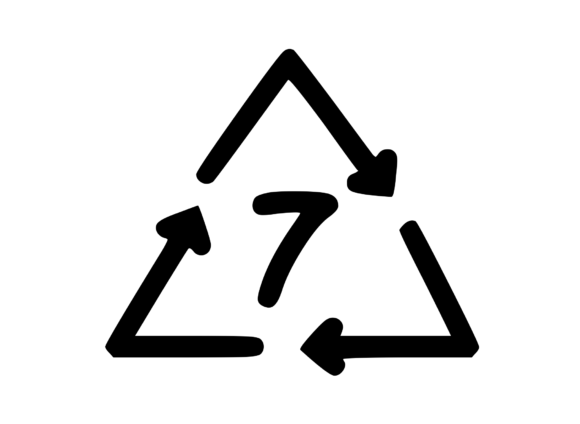
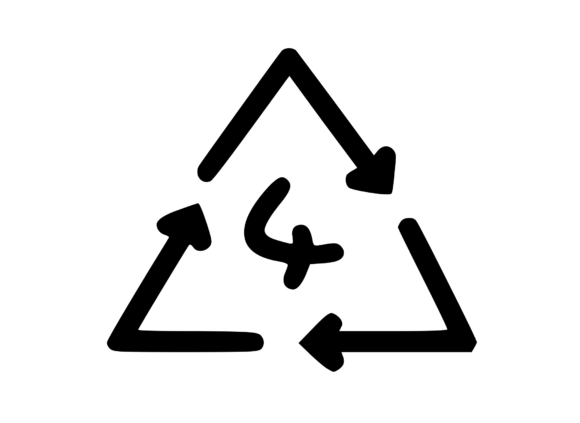
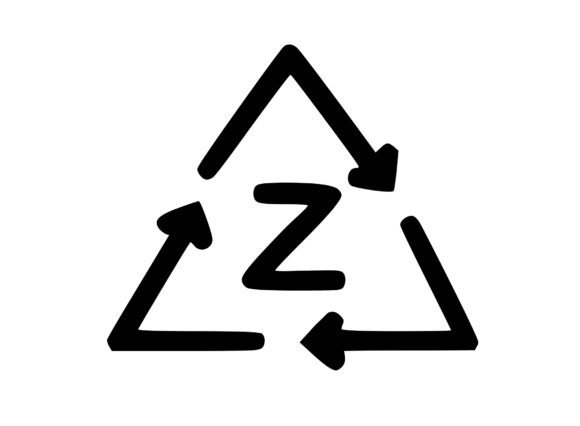
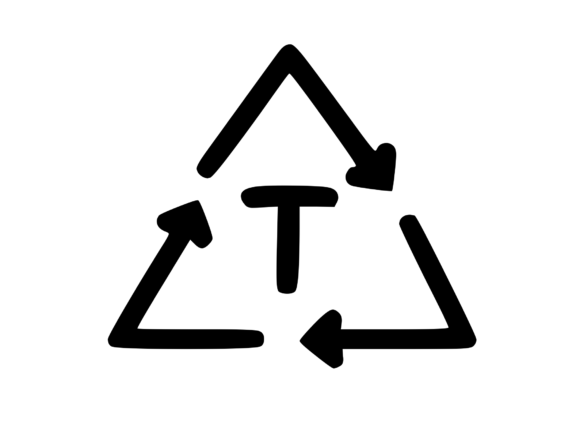
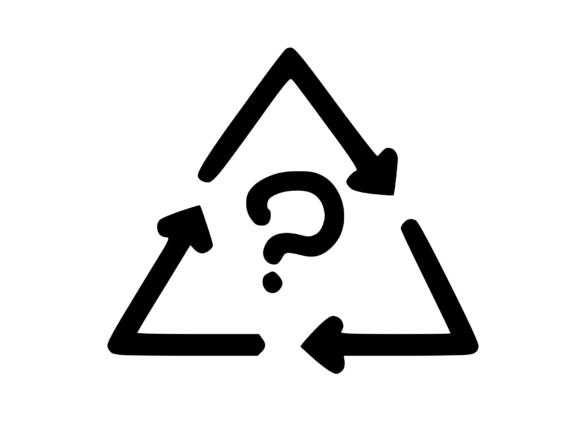
When I first opened the Recycle Symbol with Playful Mono design, I was honestly curious how a universal icon like the recycling logo could be given a fresh, approachable feel. The designer has clearly leaned into a more relaxed, hand-drawn aesthetic here, and that choice makes a real difference. The mono line work carries a sense of movement and lightness that the standard rigid recycling symbol simply does not have. It feels less like a corporate mandate and more like something a small shop owner or crafter would actually want to stitch onto a product they care about.
The mood is friendly without being childish. It is the kind of embroidery file that could work equally well on a tote bag design for a local market or on a sweatshirt embroidery project for an eco-conscious brand. The applique design potential is also there if you want to pair it with fabric scraps, though the mono line work stands strong on its own. For anyone in the Crafts space looking for Graphics that communicate sustainability with a smile, this design hits a nice balance.
Where This Design Shines in Real Projects
I have been testing Recycle Symbol with Playful Mono across several real-life scenarios, and it performs best in a few clear areas. Custom apparel is an obvious fit. I stitched it onto a medium-weight cotton sweatshirt using a contrasting thread color, and the playful lines popped beautifully against the fabric. The open nature of the design means it does not overwhelm a garment, making it suitable for baby embroidery projects as well, where softness and a lighter stitch footprint matter.
Tote bags are another natural home for this design. I prepared a batch of canvas totes for a local zero-waste shop, and the Recycle Symbol with Playful Mono gave each bag a handcrafted, inviting look. Customers responded well because the design felt intentional without being preachy. For embroidered patches, this design is excellent. The mono lines translate into a clean satin stitch or a tidy running stitch, and the patch format lets you move the design across different products, from backpacks to aprons.
I also tested it on a pillow cover made from linen. The looser weave of the linen actually complemented the playful line quality, and the finished piece looked like something you would find in a boutique home goods shop. Holiday embroidery projects focused on sustainability, like reusable gift wrap or cloth gift bags, would also benefit from this design. It communicates a message without screaming it, which is a hard balance to strike.
For Etsy sellers and small shop product creators, this digital embroidery file offers versatility. You can scale it for different hoop sizes depending on your project. I tried it in a 4x4 hoop for a cap and in a 5x7 hoop for a larger apron design. Both worked, though the smaller size required a bit more attention to stitch density to keep the lines crisp.
Where to Tread Carefully
No design is perfect for every surface, and Recycle Symbol with Playful Mono has a few considerations worth noting. Small hoop sizes under 4x4 can make the thinner mono lines feel crowded. If you are working on a baby clothes project where the garment itself is small, you may need to test the scaling carefully. The design retains its personality at smaller sizes, but the stitch density can become tighter than ideal, especially on thin fabric like cotton onesies or lightweight t-shirts.
Stretchy fabric is another area where I recommend caution. I tested it on a knit jersey t-shirt, and without proper stabilizer, the mono lines began to distort slightly. A cutaway stabilizer solved the issue, but it is worth noting that this design demands stable fabric or good stabilization technique. Dark fabric also requires thoughtful thread choice. The mono lines can disappear if you use a thread color that blends too much. I found that a bright white, a soft yellow, or even a metallic thread gave the design the contrast it needs to remain readable.
Curved surfaces like caps or the side of a tote bag are manageable but require a test stitch first. The playful curves in the design can compound with the curve of the product, so I always recommend a test on scrap fabric before committing to the final item. Dense stitch areas are minimal in this design, which is a strength, but if you pair it with a dense fill stitch background or add extra detailing, watch for puckering. Textured fabrics like fleece or terry cloth can soften the mono lines, so consider a satin stitch outline to keep the edges defined.
For commercial embroidery projects where you are producing multiple units, I suggest running a batch test before scaling up. The design stitches relatively quickly, but the thread color changes and hoop size adjustments can add time if you are not prepared. Licensing is always your responsibility to confirm, especially if you plan to sell finished products or use it as part of your design assets for client work. The product description notes that it is a great choice for all artists, designers, and crafters and that you can proudly reproduce it, but I still recommend checking the specific license terms for your use case.
How It Affects Product Value and Customer Perception
From a business standpoint, Recycle Symbol with Playful Mono adds a layer of approachability to any handmade product. Customers who care about sustainability are often looking for products that reflect their values without feeling heavy-handed. This design does that. It signals eco-consciousness while keeping the mood light and creative. For brand consistency, if you run a small shop that emphasizes ethical production or environmental awareness, this design can become a signature element across your product line.
Giftability is another factor. A personalized gift like a custom tote or a set of embroidered tea towels with this design feels thoughtful and current. It is not a generic symbol; it has character. That alone can increase perceived value and buyer engagement. I noticed that when I showed test stitches to a few friends who run handmade shop businesses, they immediately started brainstorming how to pair it with printable mockups for their Etsy listings. The design photographs well because the mono lines read clearly even in product photos.
Customer trust also gets a boost when the embroidery on a product looks intentional and well-executed. Sloppy stitching or a design that does not suit the fabric can undermine that trust. With proper stabilization and thread choice, Recycle Symbol with Playful Mono delivers a clean, professional finish that supports the quality of your finished product. For craft fair products or boutique branding, that level of polish matters.
Practical Embroidery Notes Before You Stitch
Before you load this machine embroidery design into your machine, here are a few practical steps I always follow with designs like this one. First, test the design on scrap fabric that matches your final project material. This is non-negotiable. You want to see how the stitch density behaves, whether the running stitch or satin stitch elements settle properly, and if the thread colors you chose provide enough contrast.
Second, check thread color contrast in both natural and artificial light. A design that looks great under your studio lights may lose definition on a sunny porch or under shop lighting. I recommend creating black and white mockups of the design on your fabric to see if the shapes hold their own without relying on color. This is especially helpful if you plan to offer the design in multiple colorways for your customers.
Third, review stitch density carefully. This design is not overly dense, but if you are combining it with other elements or placing it on a layered garment, you want to avoid unnecessary bulk. A lighter fill stitch or even a simple outline approach can keep the design breathable and flexible. Hoop size confirmation is also important. I recommend testing the design at the size you intend to use it before cutting your final fabric. Scaling up or down can change how the mono lines behave.
Finally, confirm licensing before using the design for commercial embroidery, selling finished products, or including it in digital product offerings. The product description indicates that this SVG is meant for all artists, designers, and crafters and encourages proud reproduction, but it is always wise to verify the specific terms for your business model. If you are an Etsy seller or creative entrepreneur, keep a record of your license for peace of mind.
When you take these steps, Recycle Symbol with Playful Mono becomes a reliable, attractive addition to your embroidery project toolkit. It is not a design that tries to do too much. It knows what it is, and it does it well. For anyone in the Crafts and Graphics space looking for a sustainability-themed design that feels fresh and stitchable, this one earns a practical recommendation.