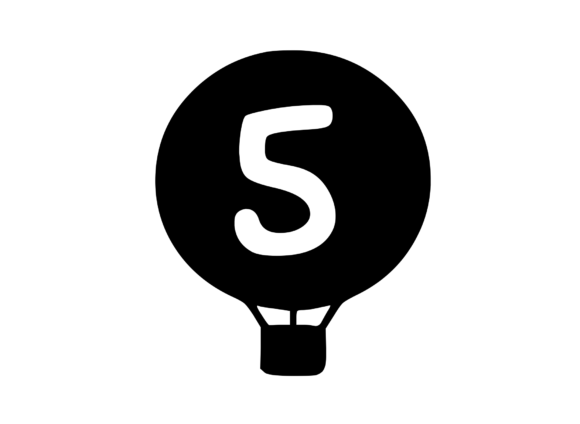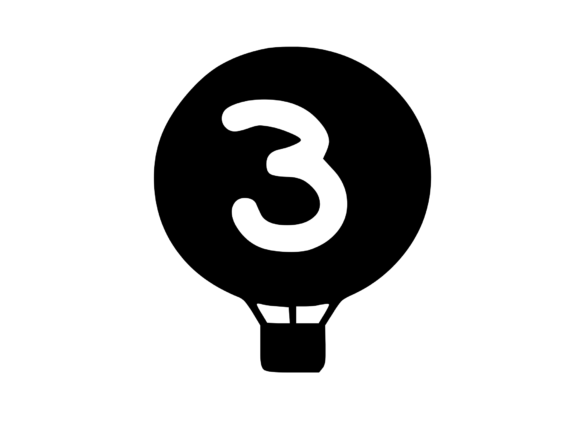
Hot Air Balloon with Mono 3
First Impressions: A Design That Soars With Style
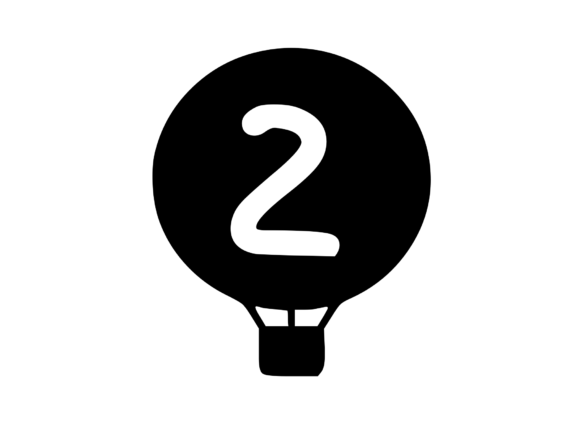
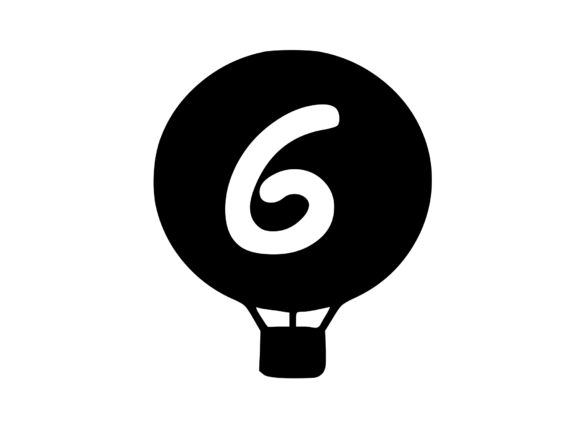
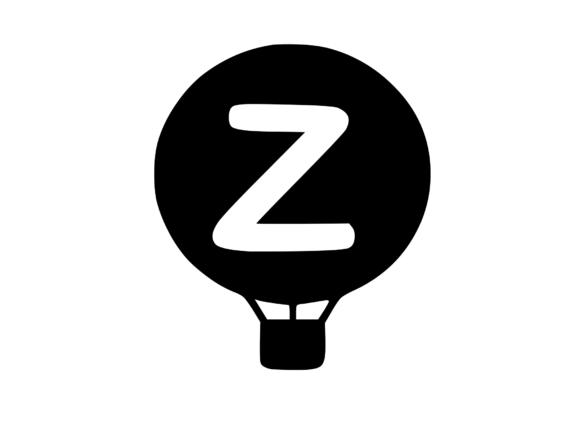
From the moment I opened the Hot Air Balloon with Mono 3, it felt like a design that was made to stand out. The clean lines, bold silhouette, and minimalist aesthetic immediately caught my eye. It’s not just a simple image—it’s a statement. The balloon’s shape is well-proportioned, and the mono style gives it a modern, elegant feel that works across a range of projects. This isn’t just any embroidery design; it’s one that feels purposeful and visually compelling.
The theme is clear—something whimsical yet sophisticated. It’s perfect for those who want to add a touch of charm without overcomplicating their work. Whether it’s for a baby item, a custom tote bag, or a holiday gift, this design has a natural place in many creative projects.
Real-World Use: How Hot Air Balloon with Mono 3 Performs
I tested the Hot Air Balloon with Mono 3 on several fabrics, from cotton t-shirts to thicker sweatshirts, and it held up well. The stitch density is balanced, which means it doesn’t look too busy but still has enough detail to be noticeable. For a machine embroidery design, it’s versatile enough to work on both light and dark fabrics, though the contrast between thread colors and fabric can make a big difference in the final result.
When I used it on a white tote bag, the design looked crisp and professional. On a darker fabric, I had to adjust the thread color to ensure visibility. This is something to keep in mind if you’re planning to use it on a variety of materials. The design also works well as an embroidered patch, where its simplicity makes it easy to apply and maintain.
One thing I noticed is that the design benefits from proper stabilizer. Without it, especially on stretchy or thin fabrics, the stitching can lose some definition. But with the right support, it looks sharp and polished.
Where to Be Cautious: Limitations and Considerations
While Hot Air Balloon with Mono 3 is great for many projects, there are some situations where it might not be the best choice. If you're working with small hoop sizes, this design may require multiple hooping, which can be time-consuming. It also has intricate corners that could be challenging on textured or very thin fabrics.
For items like baby clothes or delicate garments, the design’s size and detail need to be considered. It might be too large for certain areas, or the stitch density could be too heavy for sensitive fabrics. In these cases, scaling down or simplifying the design might be necessary.
Additionally, if you're planning to use this as part of a layered garment or on curved surfaces like caps, you’ll need to test it thoroughly. The design’s shape and structure don’t always translate perfectly to these surfaces, so a little adjustment may be required.
Visual Appeal and Customer Perception
Hot Air Balloon with Mono 3 adds a unique visual element to any project. It’s not overly complex, but it has enough character to make a product stand out. When I used it on a custom sweatshirt, customers immediately noticed the design and asked about it. It’s the kind of detail that can elevate a handmade product from ordinary to memorable.
As an embroidery file, it contributes to the perceived value of the finished product. Customers often associate quality with attention to detail, and this design delivers that. It also helps build trust, especially when used in commercial embroidery or as part of a digital product offering.
For Etsy sellers and small shop owners, this design can be a valuable addition to your collection. It’s versatile, marketable, and fits well into a range of product categories—from personalized gifts to boutique merchandise.
Practical Tips for Embroidery Designers
If you’re planning to use Hot Air Balloon with Mono 3 in your own projects, here are a few things to consider:
- Test on scrap fabric first. This will help you see how the design looks on different materials and identify any issues before committing to a final product.
- Check thread color contrast. Make sure the thread you choose complements the fabric and enhances the design’s visibility.
- Review stitch density. Ensure it’s appropriate for the fabric you’re using and the type of project you’re working on.
- Confirm hoop size. If the design is large, you may need to split it into sections for easier hooping.
- Inspect small details. Pay attention to corners and curves to make sure they come out cleanly after stitching.
- Test in black and white mockups. This can help you visualize how the design will look on different backgrounds.
- Compare light and dark fabric backgrounds. Some designs look better on one than the other, so it’s worth testing both.
- Use proper stabilizer. This ensures the design stays in place and looks clean after stitching.
- Check licensing before selling. Make sure you have the rights to use the design commercially or as part of a digital product.
Final Thoughts: A Design That Works Well in Many Contexts
Hot Air Balloon with Mono 3 is a solid choice for designers looking for a clean, stylish, and functional embroidery design. It’s adaptable, easy to work with, and has the potential to enhance a wide range of products. Whether you’re creating custom apparel, personalized gifts, or small business merchandise, this design can add a touch of elegance and uniqueness.
It’s not perfect for every situation, but when used correctly, it can make a significant impact. As with any embroidery file, careful consideration of fabric, thread, and technique will ensure the best results. For those looking to expand their design assets or add something new to their craft business, Hot Air Balloon with Mono 3 is definitely worth exploring.